
 By
By 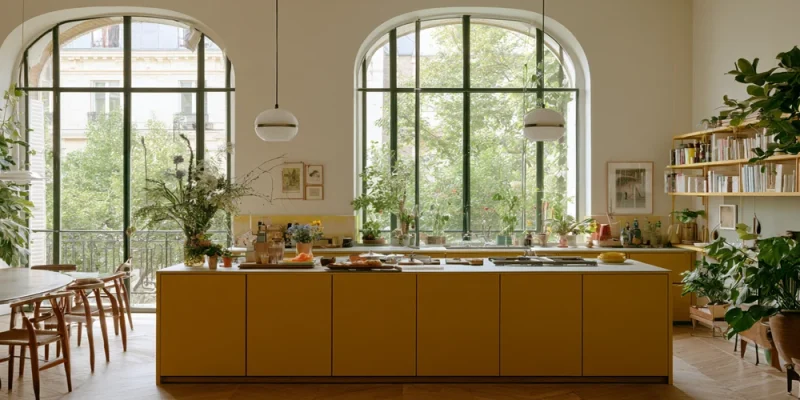
Kitchen color trends come and go. One year, everyone wants bright white cabinets. The next year, deep green, navy, or natural wood seems to be everywhere. This can make choosing a bold cabinet color feel risky.
That is especially true with yellow.
Yellow kitchen cabinets can make a kitchen feel warm, cheerful, and full of personality. But yellow can also become overwhelming when the shade is too bright or does not work with the rest of the room.
So, can yellow cabinets really stand the test of time?
Yes, they can. The secret is choosing a shade that feels connected to the overall design rather than simply following a current trend. Soft butter yellow, muted mustard, creamy yellow, and earthy ochre can have a very different effect from bright lemon or neon yellow.
Let’s look at how to choose yellow kitchen cabinets that can still feel beautiful years from now.
Why Yellow Kitchen Cabinets Are Getting Attention
For years, neutral kitchens dominated home design. White, gray, beige, and black cabinets became safe choices because they were easy to match with countertops, floors, and appliances.
But safe does not always mean interesting.
Many homeowners now want kitchens that feel warmer and more personal. Yellow fits naturally into that change.
Yellow is connected with sunlight and warmth. Even a small amount can make a kitchen feel more welcoming.
Unlike some strong colors, yellow also works with many common kitchen materials. It can sit comfortably beside wood, stone, marble, brass, ceramic tile, and stainless steel.
The important question is not whether yellow works.
It is which yellow works.
The Shade Makes All the Difference
Imagine two kitchens.
The first has extremely bright lemon-yellow cabinets with glossy doors, bold patterned flooring, and several other strong colors.
The second has soft butter-yellow cabinets, warm wood flooring, simple white countertops, and aged brass hardware.
Both kitchens technically have yellow cabinets, but they create completely different moods.
The first design may be exciting, but it can also become dated more quickly. The second feels calmer because the yellow acts almost like a warm neutral.
This is why shade selection matters so much when designing with yellow kitchen cabinets.
A timeless kitchen usually does not depend on one dramatic feature. Instead, its colors and materials work together naturally.
Soft Butter Yellow Is One of the Safest Choices
If you love yellow but worry about getting tired of it, butter yellow is worth considering.
This soft shade sits somewhere between cream and traditional yellow. It adds warmth without taking over the room.
Butter-yellow cabinets can work especially well with:
- White or cream countertops
- Natural oak flooring
- Warm white walls
- Brass or bronze hardware
- White ceramic backsplash tiles
- Light natural stone
Because butter yellow is muted, it can behave almost like beige or cream while still giving the kitchen more character.
It is also a useful choice for kitchens that do not receive much natural light. Instead of making the space feel colder, the cabinets can introduce visual warmth.
Creamy Yellow Creates a Traditional Feel
Creamy yellow is another shade that can age well.
It works beautifully in traditional, cottage, farmhouse, and transitional kitchens. Rather than looking obviously colorful, creamy yellow can create the appearance of cabinets that have developed warmth and character over time.
Consider pairing creamy yellow kitchen cabinets with natural materials.
Wood countertops, stone flooring, handmade tiles, and traditional metal hardware can all help create a relaxed appearance.
The result does not need to look old-fashioned.
Modern appliances, clean cabinet lines, and simple lighting can balance the traditional warmth with more current features.
Mustard Yellow Brings More Personality
Maybe you want something stronger than butter or cream.
Mustard yellow can provide a deeper and more dramatic look without becoming extremely bright.
It contains brown or earthy undertones, which makes it easier to combine with natural materials.
Mustard yellow can look especially attractive beside:
- Walnut
- Dark oak
- Black hardware
- Warm gray stone
- Terracotta
- Deep green
- Off-white walls
The combination can create a kitchen that feels rich and established rather than trendy.
However, mustard is a stronger color. In a small or dark kitchen, covering every cabinet in mustard may feel heavy.
One solution is to use mustard on the lower cabinets or kitchen island while keeping the upper cabinets lighter.
Ochre and Earthy Yellow Can Feel Surprisingly Timeless
Ochre is another interesting option.
It combines yellow with warm brown and earthy tones. Because similar colors appear naturally in clay, stone, wood, and soil, ochre can feel more grounded than a pure yellow.
Earthy yellow kitchen cabinets work particularly well in homes where natural materials are already important.
For example, imagine ochre cabinets with a cream stone countertop, oak shelving, handmade backsplash tiles, and simple brass handles.
The yellow is noticeable, but it does not feel separate from everything else.
That connection between color and material can help the kitchen age more gracefully.
What About Bright Yellow Kitchen Cabinets?
Bright yellow is not automatically a bad choice.
In the right kitchen, it can look fantastic.
The issue is that intense colors naturally attract more attention. When a very bright shade becomes closely connected with a particular design trend, it may also reveal the age of the renovation more quickly.
If you love bright yellow, consider using it strategically.
Instead of covering an entire large kitchen, you might use bright yellow on:
- A kitchen island
- Lower cabinets
- A pantry
- A small cabinet section
- A freestanding storage unit
Then surround it with quieter colors.
This gives you the cheerful personality of yellow without allowing it to dominate every surface.
Natural Wood Makes Yellow Feel Warmer
Wood and yellow are natural partners.
Both contain warm tones, so they often feel comfortable together.
Light oak can keep yellow kitchen cabinets looking fresh and relaxed. Walnut creates stronger contrast and can make muted yellow feel more sophisticated.
You could also combine painted cabinets with natural wood cabinets.
For example, use soft yellow for the main cabinets and natural oak for the kitchen island. Another option is yellow lower cabinets with open wood shelving above.
Wood also introduces natural variation into the room. This helps soften the flat appearance that painted surfaces sometimes create.
Choose Countertops Carefully
Your countertop can completely change how yellow cabinets appear.
White countertops create a clean contrast and are easy to combine with most shades of yellow.
Cream and warm stone surfaces create a softer transition. They work particularly well with butter, mustard, and ochre cabinets.
Marble can add elegance, but pay attention to its veining. A marble with warm gray, beige, or gold movement may connect more naturally with warm yellow cabinetry than a very cold blue-gray stone.
Dark countertops create a stronger contrast.
Black, charcoal, or dark stone can look impressive with mustard or ochre cabinets, especially in larger kitchens with plenty of natural light.
Before making a final decision, always view countertop and cabinet samples together.
A yellow that looks perfect by itself can appear completely different beside another material.
Pay Attention to the Undertone
Not every yellow is warm.
Some yellows lean slightly green. Others contain orange, brown, cream, or gray undertones.
These small differences become important when the color covers a large area.
A yellow with orange undertones may work beautifully beside warm oak but clash with a cool gray floor.
A creamy yellow might look perfect with beige stone but unexpectedly dull beside a bright white backsplash.
This is why small paint samples can be misleading.
If possible, paint a large sample board and place it near your countertop, flooring, backsplash, and appliances.
Check it several times throughout the day.
Morning sunlight, afternoon light, and artificial lighting at night can make the same yellow appear surprisingly different.
Keep the Cabinet Style Simple
Color is only one part of creating a timeless kitchen.
Cabinet door style matters too.
If you combine a bold yellow with an extremely fashionable cabinet design, the kitchen may become strongly connected with a specific period.
Simple Shaker-style cabinets are popular because they work across traditional and modern interiors.
Flat-panel doors can also work well when you want a cleaner, more modern appearance.
The goal is balance.
If your cabinet color already has personality, you do not necessarily need complicated doors, decorative handles, dramatic countertops, and statement tiles competing for attention.
Let one or two elements lead the design.
Hardware Can Change the Entire Mood
Cabinet handles may seem like a small detail, but they have a major visual effect.
Brass hardware emphasizes the warmth in yellow kitchen cabinets. It works especially well with creamy, butter, mustard, and ochre shades.
Black hardware creates stronger contrast and can make yellow feel more modern.
Chrome and stainless steel can create a cleaner appearance, particularly when the kitchen contains stainless steel appliances.
Fortunately, hardware is also relatively easy to replace.
If you want to update your kitchen several years from now, changing the handles may give the cabinets a fresh appearance without requiring a full renovation.
Don’t Forget the Backsplash
A backsplash can either calm yellow cabinets down or make the kitchen much busier.
If timelessness is the goal, simple materials are usually easier to live with.
White subway tiles, warm handmade tiles, natural stone, or a backsplash that matches the countertop can all work well.
Pattern is still possible.
However, if you have strong yellow cabinets, dramatic flooring, patterned countertops, and a colorful backsplash at the same time, the kitchen can quickly become visually crowded.
Give the yellow room to breathe.
Consider Your Kitchen’s Natural Light
Natural light has a major effect on color.
A sunny kitchen can make yellow appear brighter and more energetic. A north-facing or darker kitchen may make certain shades appear muted or slightly different from the sample you saw in the store.
This does not mean dark kitchens cannot have yellow cabinets.
In fact, a warm yellow may help a darker kitchen feel more inviting.
Just avoid selecting the final paint color based on a tiny sample under showroom lighting.
Test it inside the actual room.
Can Yellow Work in a Small Kitchen?
Absolutely.
The right yellow can actually help a small kitchen feel warm and lively.
For compact spaces, softer shades are usually easier to use across all the cabinets. Butter yellow, pale creamy yellow, and muted warm yellow can add color without making the room feel visually crowded.
You can also combine yellow lower cabinets with light upper cabinets.
This keeps the stronger color below eye level while allowing the upper part of the kitchen to remain bright and open.
Simple hardware and a light backsplash can complete the effect.
How to Make Yellow Kitchen Cabinets Age Gracefully
Timeless design does not mean creating a kitchen that never changes.
Even classic kitchens eventually need new lighting, hardware, appliances, or accessories.
A better goal is to create a strong foundation that can adapt.
For yellow kitchen cabinets, that usually means choosing a shade you genuinely enjoy rather than the brightest color currently trending.
Keep permanent materials relatively balanced. Natural wood, simple stone, classic tile, and straightforward cabinet styles give you flexibility.
Then use easier-to-change items for experimentation.
Bar stools, rugs, pendant lights, artwork, dishes, and small appliances can introduce new colors as your taste changes.
If trends shift, you can update those details without replacing your cabinets.
Are Yellow Kitchen Cabinets Really Timeless?
They certainly can be.
But there is a major difference between choosing yellow because it is suddenly popular and choosing a yellow that naturally suits your home.
Soft butter yellow can feel almost neutral. Creamy yellow brings warmth to traditional spaces. Mustard adds depth and personality, while earthy ochre connects beautifully with wood and stone.
Even brighter yellow can work when it is used with intention.
The key is to think beyond the cabinet color itself.
Look at your flooring, countertops, backsplash, hardware, lighting, and surrounding rooms. Test large color samples in your actual kitchen before making the final choice.
Most importantly, choose a shade you would still enjoy even if yellow disappeared from design magazines tomorrow.
When the right shade meets simple cabinetry, natural materials, and a balanced color palette, yellow kitchen cabinets do not have to feel like a passing trend.
They can become the warm, memorable feature that gives your kitchen character for many years.






Comments