 By
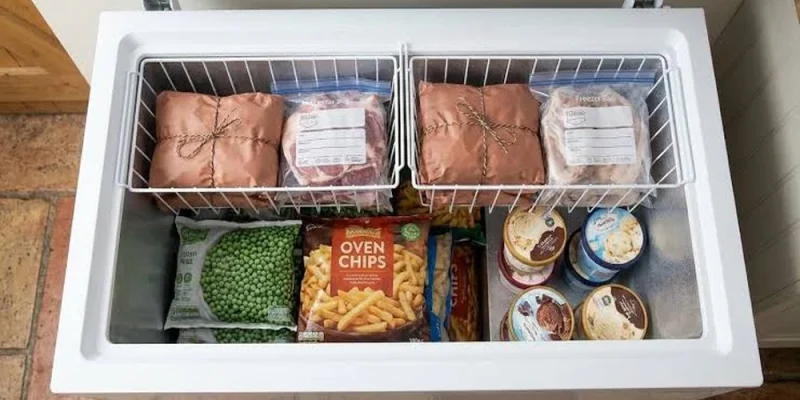
A shared freezer works better when each person buys for the space they can reliably use. Before choosing a frozen dinner, agree on a shelf or part of a drawer, look at what already occupies it, and decide which meal the new purchase will become. Pierogies can fit that plan, but buying several fillings at once creates a storage decision before it creates dinner.
Measure the space you actually own
The empty corner you notice on Tuesday may belong to a roommate who shops on Wednesday. Start with a conversation about space rather than a rearrangement of everyone else’s groceries. A marked shelf, a small shared bin or a simple agreement about the left side of a drawer can make the boundary clear. The arrangement need not be perfectly equal by volume, but each person should understand what they can use without asking again.
Check that the agreed area is accessible with the freezer normally stocked. A place behind several large containers may technically hold a bag but make it awkward to reach. If you must remove somebody else’s dinner every time you cook yours, the arrangement probably needs adjusting. Usable storage includes the ability to see what is there, remove a package and return what remains without reorganizing the whole appliance.
Take a look before leaving for the store. You do not need a detailed drawing; a quick photo of your own section can remind you that an unopened bag is already waiting behind the vegetables. If measuring helps, measure the space itself and compare it with the actual package in the store. Do not assume that two brands, two flavors or two formats occupy the same amount of room.
Choose the dinner before choosing the number of options. For example, one potato-and-cheddar filling could be served with the cucumber and greens already in your refrigerator. That is a complete shopping intention even if the freezer aisle offers several other appealing flavors. Buying another variety makes more sense when you have a separate meal planned and enough room to keep both packages identifiable.
Keep the identity attached to each bag
In a communal freezer, a package carries more information than its owner’s name. It identifies the filling, tells the cook whether the food is uncooked, and retains the preparation and ingredient details. Removing that information to squeeze the contents into an anonymous container can create confusion later. Preserve the original label even if you use a secondary bag or container to organize your allotted space.
A handwritten name can answer who bought the food, but it cannot replace the cooking instructions. Put your ownership label where it does not cover the product name or directions. If two roommates buy similar-looking dumplings, use a clear name rather than a symbol only one person understands. The goal is for anyone returning the package to its place to recognize it without having to open it.
Holy Perogy products are sold frozen and uncooked. That distinction belongs with the food until it is prepared according to the package. A roommate should not have to guess whether an unmarked container holds uncooked dumplings or leftovers from yesterday’s dinner. Keep those categories plainly separate, and never rely on the outside appearance of a dumpling to establish what is inside or how it should be prepared.
Sharing a freezer also does not automatically mean sharing every purchase. Agree whether someone may borrow a portion and how they should record it. A simple message can prevent a planned dinner from disappearing unexpectedly. If groceries are communal, decide who adds an item to the shopping list when it runs low. If groceries are personal, make that equally clear without turning the kitchen into a system of elaborate rules.
There is little benefit in organizing food so tightly that you cannot read it. A row of visible package names may be more useful than a neatly packed stack whose bottom layer is forgotten. Work with the shape of the freezer and the packages you actually have. Leave vents and operating clearances as the appliance instructions require, rather than treating every gap as extra storage.
Leave room for the next grocery trip
It is tempting to interpret any remaining space as permission to buy more. In a shared kitchen, a little uncommitted room gives the arrangement flexibility when another person brings home groceries. It also lets you return an opened package without rebuilding the entire drawer. Think of that space as part of the working layout, not as evidence that you failed to stock up.
A familiar filling is useful for the first purchase under a new storage agreement. Oh! So Cheesy is a full-size vegetarian pierogi with potato and cheddar, so it gives you a concrete dinner to plan around. If you are comparing Chicago options from Holy Perogy, choose the filling that matches your meal before deciding how much freezer space to reserve. The actual package you find will determine whether the purchase fits.
Consider the supporting ingredients separately. A jar of a favorite condiment or a vegetable already on your shelf may give the dinner enough variation without adding another frozen item. On a later night, the same filling can sit beside a different side. Choose those variations for your own dinner, and leave your roommate free to plan something different within their share of the freezer.
After dinner, return the remaining uncooked product as its instructions direct and restore the label to a readable position. Notice whether the space agreement worked in practice. If the bag was difficult to reach or blocked a roommate’s food, move the boundary together before the next shop. A small adjustment made while the arrangement is fresh is easier than letting a recurring irritation become part of the kitchen routine.
The useful result is a visible place for a dinner you intend to cook. When that place is occupied, finish the plan attached to it before adding another possibility. Your share of the freezer can stay small while still being genuinely useful.












Comments