
 By
By 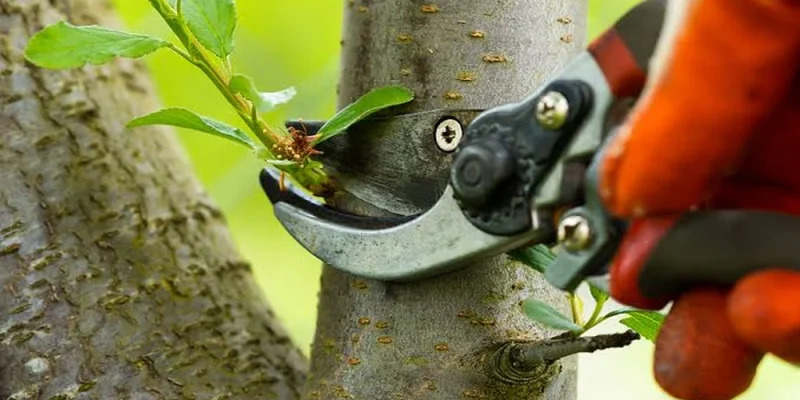
Working around trees looks straightforward from the ground. A branch is in the way, a saw will remove it, and the whole thing seems like an afternoon’s work. The injury statistics tell a different story falls from height, saw contact and struck-by incidents from unpredictable limb movement account for serious harm every year, and a large share of those injuries happen to property owners rather than professionals. The tips below cover which tree cutting tasks can be handled safely, what should never be attempted, and how to keep an outdoor space in good order without taking unnecessary risk.
Start by Being Honest About Scope
The first and most useful judgement is what you should not touch. Anything requiring you to leave the ground, anything within reach of overhead power lines, anything with a trunk diameter beyond what a small saw handles comfortably, and anything where a falling section could strike a structure all belong to a trained crew with rigging equipment and insurance. Ladders are a particular hazard because a saw cut shifts the branch and the ladder simultaneously, and there is no way to control both. If the plan involves standing on something while holding a running saw, the plan is wrong.
What Can Be Done Safely From the Ground
Plenty remains within reach. Small dead branches under a couple of centimetres thick, low suckers growing from the base of a trunk, water shoots along main limbs and light clearance of foliage away from paths and windows are all manageable with hand tools. Bypass secateurs handle thin growth cleanly, loppers extend reach and leverage, and a pruning saw deals with anything thicker. Pole pruners can extend upward, but they demand caution because falling material comes down toward you and the tool is awkward to control at full extension.
Cutting Technique That Avoids Damage
Where a cut is made determines how well the tree recovers. Cuts should sit just outside the branch collar the swollen ring where the limb joins the parent stem because that collar contains the tissue the tree uses to seal the wound. Cutting flush to the trunk removes it and leaves a wound that decays inward. Leaving a long stub prevents sealing entirely and invites rot. For anything heavier than you can hold, use the three-cut method: an undercut a short distance out, a top cut slightly further out to drop the weight, then a final tidy cut at the collar. Skipping the undercut lets the falling limb tear a strip of bark down the trunk.
Timing and Volume
Two rules prevent most self-inflicted damage. Never remove more than about a quarter of the living canopy in a single season, because the tree relies on foliage to produce the energy it needs to recover. And avoid topping cutting main stems back to stubs which is still surprisingly common and is genuinely harmful. Topped trees respond with dense, weakly attached regrowth that becomes more dangerous within a few years than the original structure ever was, while the exposed stubs decay steadily. Structured tree pruning removes selected branches at proper points instead of shortening everything indiscriminately.
Personal Protection and Site Control
Even ground-level work justifies proper gear. Eye protection stops debris, gloves improve grip and protect hands, sturdy boots guard against dropped tools, and hearing protection is necessary with any powered saw. Establish a drop zone before starting and keep children and pets well outside it falling material bounces and rolls further than expected. Work with someone else present rather than alone. Check overhead for hanging deadwood before positioning yourself, since vibration from cutting frequently dislodges material you had not noticed.
Know the Rules That Apply
Beyond physical safety there is a legal dimension. Certain trees and certain locations carry protection, and removing or heavily pruning them without approval can result in significant penalties. Requirements vary according to where the property sits, the size of the plot and the species involved. Before planning any substantial work, confirm what consents are needed the obligation rests with the property owner, and finding out afterwards is an expensive way to learn.
Boundaries and Neighbours
Overhanging branches raise questions of ownership and courtesy. Trimming growth that crosses a boundary is generally permitted, but the cut must stop at the boundary line and the tree itself belongs to the neighbour. Cutting in a way that destabilises or kills their tree creates liability. Access onto adjoining land needs permission. In practice, a conversation before work starts prevents most disputes, and where the tree is large or the relationship is delicate, having a professional carry out the work provides a neutral, documented standard.
Managing the Debris
Cut material accumulates faster than most people anticipate a single medium limb fills a car boot. Plan disposal before cutting rather than after. Chipping produces mulch that is useful around beds and borders, though it should not be piled against trunks. Larger sections can be cut and seasoned for other uses. Leaving brush stacked against a wall or fence attracts pests and creates a hazard, so clearing as you go is better than dealing with a mountain at the end.
When to Hand It Over
Call a professional for anything at height, near services, over structures, or involving a tree showing decay, cavities, fungal growth or a recent lean. Ask for proof of insurance and evidence of arboricultural training. Keeping the property on a regular tree maintenance schedule means most work stays small and routine, and the situations that genuinely need climbing gear and rigging become rare.









Comments