
 By
By 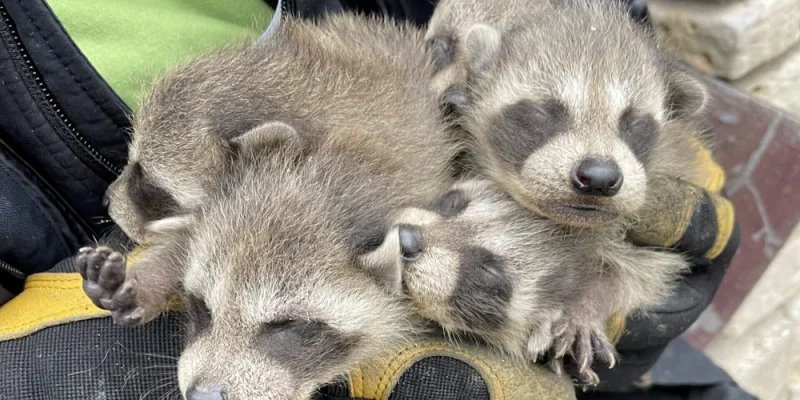
Raccoons can turn up in the foothill neighborhoods around Riverside and Corona when temperatures drop, and an attic can provide the dry, sheltered space they’re looking for. Squirrels can reach older homes near Fontana’s established, tree-lined streets through branches that extend over roofs and other parts of the structure. Skunks may dig through yards near open land on the outskirts of these cities, particularly when wet soil makes food easier to find. None of these animals are trying to cause trouble. They’re looking for food, shelter, or a place to raise their young. That makes wildlife removal more complicated than simply getting the animal out.
Proper animal control and wildlife removal starts with more than getting the animal out. The technician also needs to know why it got inside, whether young are present, and what needs to be done to keep it out afterward.
When Raccoons Get Into the Attic
Raccoons are strong enough to tear through soffit vents and roof flashing to get into an attic. A mother raccoon may remain in an attic while her kits are still dependent on her. Pulling a mother out before her young are mobile leaves orphaned kits behind in the insulation, which creates a worse situation for everyone involved, including the animal.
Squirrel Removal During Nesting Season
Squirrels enter through gaps where a roofline meets a chimney or where old vent covers have rusted through. Their nesting activity can increase at certain times of year, so a technician should check for young before sealing an entry point. Closing an opening with young squirrels still inside can leave them trapped and create another problem for the homeowner.
Skunks And Ground-Level Burrowing
Skunks can become defensive when they feel threatened, particularly when someone approaches a den or tries to corner them. Giving the animal space is important, since forcing it out can lead to spraying or an aggressive response.
Bat Removal Requires Extra Care
Bats are more complicated because wildlife protections can apply to them, and young bats may still be in the attic during part of the year. A one-way device can let the adults out without letting them back in. The timing matters, since sealing the opening while young bats are still inside can trap them.
How Humane Wildlife Removal Works
- Live traps and one-way devices. These give wildlife a way out without requiring the animal to be handled directly.
- Seal the opening at the right time. An entry point should not be closed until the technician knows there isn’t an animal or its young still inside.
- Deal with the reason the animal got in. A damaged vent, opening under a roofline, or overgrown branch may need attention once the animal is gone.
- Check the property afterward. Small repairs, trimmed branches, secured trash, and better screening can make the same entry point less inviting next time.
Akela Pest Control’s technicians use these removal methods and take species, nesting activity, and applicable wildlife protections into account when planning the work.
When to Leave Wildlife Removal to a Professional
A frightened raccoon or defensive skunk can be dangerous when cornered, and an attempted removal can also damage the home if the animal panics. If you’re hearing movement in the attic or finding digging around the foundation, don’t try to corner the animal yourself. A wildlife professional can identify what is there and determine how to remove it without leaving young or other animals trapped inside.





Comments