
 By
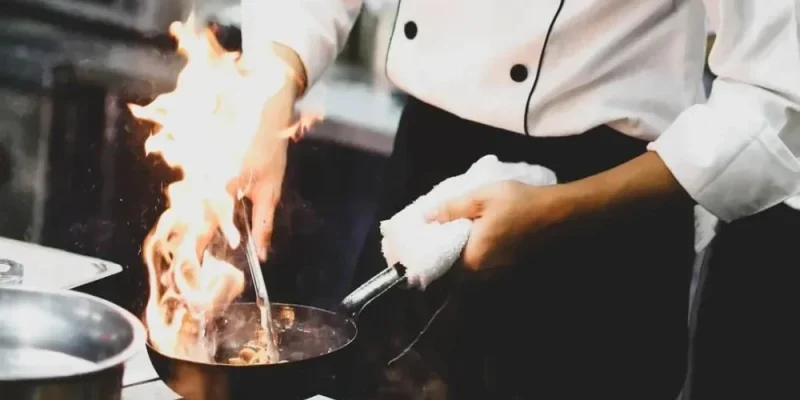
A busy commercial kitchen can quickly become a dangerous place when heat, cooking oil, and open flames are involved. Restaurants, cafeterias, and other food service businesses depend on their cooking equipment every day, but these same tools can create serious fire hazards. Installing and maintaining Kitchen Suppression Systems is an important step toward protecting employees, customers, equipment, and property.
National Fire Protection provides fire suppression installation, inspection, testing, maintenance, and repair services to help businesses manage specialized fire risks. Here are some common kitchen hazards that make reliable fire protection essential.
1. Grease Buildup in Hoods and Exhaust Ducts
Grease accumulates inside kitchen hoods, filters, and exhaust ducts as food is prepared. When exposed to high temperatures or flames, this buildup can ignite and allow fire to spread through the ventilation system. Regular hood cleaning and proper maintenance help reduce this risk.
2. Overheated Cooking Oil
Deep fryers and other equipment that use cooking oil can become major fire hazards if temperatures rise too high. Grease fires are particularly dangerous because pouring water onto burning oil can cause the flames to spread violently.
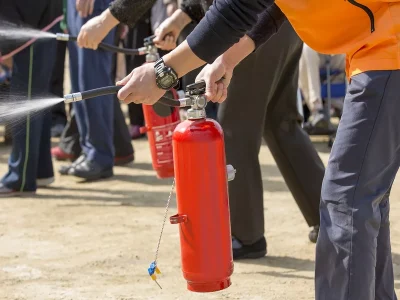
A properly designed kitchen suppression system uses an appropriate extinguishing agent to address cooking fires in protected areas. Employees should also know the correct emergency procedures for grease fires.
3. Unattended Cooking Equipment
During a busy shift, staff may become distracted while preparing multiple orders. Leaving fryers, grills, or stovetops unattended increases the risk of overheating, burning food, and accidental ignition.
Kitchen staff should monitor cooking equipment closely and follow established safety procedures. Automatic suppression equipment provides an additional layer of protection if a fire develops.
4. Electrical and Gas Hazards
Commercial kitchens rely on electrical appliances, wiring, and gas-powered equipment. Damaged cords, overloaded circuits, faulty connections, and gas leaks can create conditions that lead to fires.
Routine equipment checks and professional maintenance help identify potential problems before they become emergencies. Businesses should also ensure that their fire protection systems are appropriate for their cooking equipment and layout.
5. Poorly Maintained Fire Suppression Equipment
Even a properly installed system may not perform as intended if components are damaged, obstructed, or overdue for service. Blocked nozzles, faulty detection components, and changes to cooking equipment can compromise protection.
Regular professional inspections, testing, and maintenance help keep the system ready for an emergency.
Protect Your Commercial Kitchen
Kitchen fires can disrupt operations, cause expensive damage, and put lives at risk. Kitchen Suppression Systems help provide targeted protection when a fire breaks out, but they must be correctly designed and maintained.
Contact National Fire Protection to discuss your kitchen’s fire protection needs, schedule professional service, and help keep your business prepared for unexpected emergencies.
This post was written by a professional at National Fire. National Fire is a full-service fire protection company in Temecula, California, specializing in fire sprinkler systems, fire alarms, and fire protection services. As a trusted fire protection company serving Anaheim and surrounding areas, we provide professional solutions for commercial fire safety needs, including Fire Suppression System Inspection San Diego CA. Our experienced team delivers expert guidance and reliable services, helping businesses maintain safe, compliant, and properly functioning fire protection systems with a focus on quality, value, and performance.





Comments