
 By
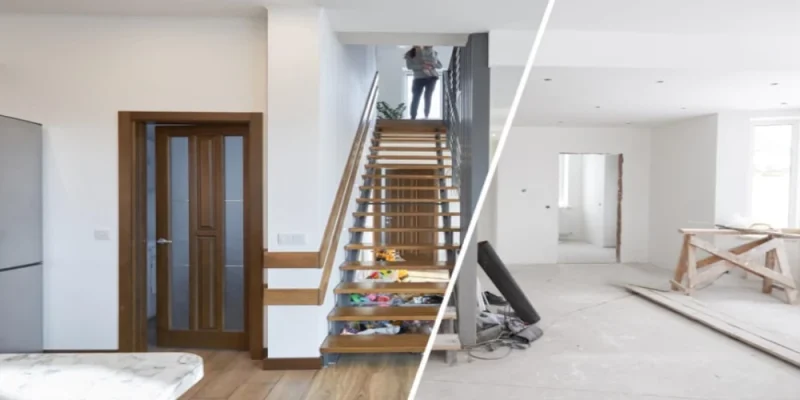
Planning to refresh your home with a new coat of paint? Before starting your interior painting project, it is important to consider more than just the color and finish. Humidity plays a major role in how quickly paint dries and how well it adheres to your walls. When moisture levels are too high, even a carefully planned painting project can take longer than expected.
At JML Elite Painting, understanding the conditions inside your home helps support a smooth painting process and a quality finish. Here is how humidity affects drying time and what homeowners should know before painting.
Why Humidity Matters When Painting Indoors
Humidity refers to the amount of moisture in the air. When humidity levels are high, water-based paint releases moisture more slowly, which can extend its drying time. This may delay the application of additional coats and make it harder to complete your project on schedule.
On the other hand, very low humidity combined with high temperatures can cause paint to dry too quickly. This may affect how evenly the paint spreads and leave visible brush marks or lap marks.
For the best results, follow the paint manufacturer’s recommended temperature and humidity ranges.
Signs High Humidity Is Affecting Your Paint
How can you tell if moisture is slowing down your project? Watch for these common signs:
- Sticky surfaces: Paint may remain tacky longer than expected.
- Delayed recoating: The first coat may not be ready for another layer when planned.
- Uneven appearance: Some areas may dry differently, affecting the final finish.
- Poor adhesion: Excess moisture or damp surfaces can interfere with proper bonding.
- Potential mildew problems: Persistent moisture can encourage mold or mildew growth, especially in poorly ventilated rooms.
Keep in mind that drying times vary depending on the paint formula, surface condition, temperature, and ventilation.
How to Manage Humidity During Interior Painting
A few practical steps can help create better painting conditions.
First, check the room’s humidity before starting. A basic hygrometer can help you monitor moisture levels. Next, improve airflow by using appropriate ventilation or air conditioning when conditions allow. A dehumidifier may also help reduce excess indoor moisture.
Avoid painting walls that are damp or affected by leaks. Always allow sufficient drying time between coats rather than relying only on the estimated time printed on the paint can.
Get a Better Finish With Professional Help
Humidity may seem like a minor detail, but it can affect your schedule and the appearance of your finished walls. Proper preparation, suitable environmental conditions, and careful application all contribute to better results.
Planning an interior painting project? Contact JML Elite Painting to discuss your home’s painting needs and get professional guidance for a clean, lasting finish.
This post was written by a professional at http://jmlelite.com. JML Elite is a full-service painting and construction company in Florida, specializing in residential and commercial painting, surface repairs, light construction, remodeling, and pressure washing. As one of the leading painting and construction companies near you, we serve clients throughout Florida. Our experienced team provides expert guidance and reliable solutions, making us a trusted choice for painting and construction near you focused on quality, value, and performance.




Comments