
 By
By 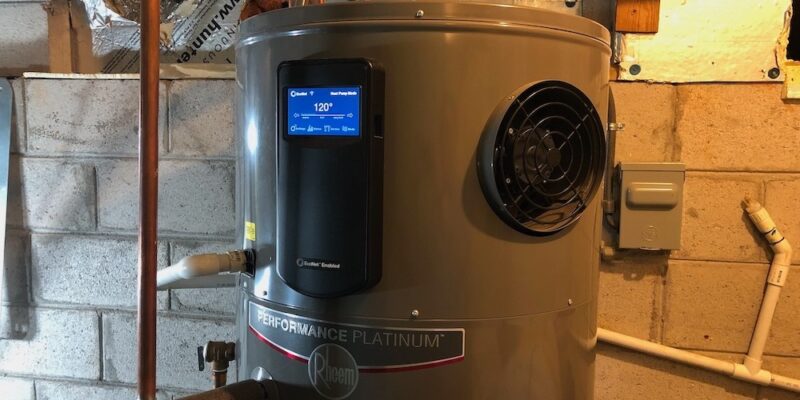
How a Heat Pump Water Heater Works
Water heating is a significant expense for many households. In fact, it’s often the second-largest energy user in a home, right after heating and cooling. Traditional electric water heaters use a lot of energy to directly heat water, leading to higher utility bills and a larger carbon footprint.
But what if there was a smarter, more efficient way to get hot water?
Enter the heat pump water heater (HPWH), also known as a hybrid electric water heater. These innovative systems don’t generate heat directly. Instead, they cleverly move heat from the surrounding air into your water tank, similar to how a refrigerator works in reverse. This process makes them incredibly energy-efficient.
Choosing an HPWH can dramatically reduce your energy consumption and save you money in the long run. It’s a key step towards a more sustainable and cost-effective home.
In this comprehensive guide, we will explain everything you need to know about HPWHs. We’ll cover how they work, their numerous benefits, important considerations for buying and installation, typical costs, and available financial incentives. For a deeper dive into the specifics, a comprehensive HPWH explained guide offers even more insights for homeowners. By the end, you’ll understand why these units are a smart investment for your home’s future.
The fundamental principle behind a heat pump water heater’s efficiency lies in its method of operation: it transfers heat rather than generating it. Unlike traditional electric resistance water heaters that use electric coils to directly heat water, an HPWH operates on the same thermodynamic principles as a refrigerator or air conditioner, but in reverse.
Here’s a breakdown of the process:
- Evaporator: The HPWH draws in ambient air from its surroundings. This air passes over an evaporator coil containing a liquid refrigerant. The refrigerant absorbs heat from the air, causing it to evaporate and turn into a low-pressure gas. Even cool air contains heat energy that the refrigerant can absorb.
- Compressor: The now gaseous refrigerant is then compressed. This process significantly increases its temperature and pressure.
- Condenser Coils: The hot, high-pressure refrigerant gas then flows through condenser coils, which are wrapped around or immersed in the water tank. As the hot refrigerant passes through these coils, it transfers its heat to the colder water inside the tank. This causes the water to heat up, while the refrigerant cools down and condenses back into a liquid.
- Expansion Valve: The cooled liquid refrigerant then passes through an expansion valve, which reduces its pressure and temperature, preparing it to repeat the cycle by absorbing more heat from the ambient air.
This continuous cycle of heat transfer is what makes HPWHs so energy-efficient. They use electricity primarily to power the fan, compressor, and pump, not to directly create heat. This means they can deliver much more heat energy to the water than the electrical energy they consume. In fact, heat pump water heaters can be two to three times more energy efficient than conventional electric resistance water heaters. Some models boast an impressive Uniform Energy Factor (UEF) as high as 4.07, indicating exceptional efficiency. To put this into perspective, a heat pump water heater can be approximately 4.1 times more efficient than a standard electric water heater (UEF of 3.7 vs 0.9).
Most HPWHs are “hybrid” units, meaning they also include traditional electric resistance heating elements. These elements serve as a backup, primarily kicking in during periods of very high hot water demand (e.g., multiple showers taken consecutively) or when ambient air temperatures are too low for the heat pump to operate efficiently. This ensures you always have hot water, even if the heat pump alone can’t keep up. However, for maximum energy savings, the unit is designed to prioritize the heat pump mode.
The UEF (Uniform Energy Factor) is a crucial metric for evaluating a water heater’s energy efficiency. A higher UEF indicates greater efficiency, meaning the unit uses less energy to heat the same amount of water. When selecting an HPWH, paying attention to its UEF rating is key to understanding its potential for long-term energy savings.
The Core Benefits of Upgrading to an HPWH
Upgrading to a heat pump water heater offers a multitude of advantages that extend beyond just providing hot water. These benefits contribute to significant cost savings, environmental protection, and improved home comfort.
- Unparalleled Energy Efficiency and Cost Savings: The most compelling benefit of HPWHs is their remarkable energy efficiency. By transferring heat rather than generating it, they drastically reduce electricity consumption. This translates directly into lower utility bills. ENERGY STAR certified heat pump water heaters, for instance, can save homeowners up to $3,750 over 10 years compared to conventional electric water heaters. Some advanced models can even provide up to 5X the efficiency of a standard water heater. This substantial reduction in energy use makes HPWHs a smart long-term financial investment, quickly offsetting their initial cost through ongoing savings.
- Significant Environmental Benefits: Choosing an HPWH is a powerful step towards a more sustainable lifestyle. By consuming less electricity, these units contribute to a reduced carbon footprint. This is especially true when the electricity powering your home comes from renewable sources. Furthermore, many modern HPWHs use refrigerants with a lower Global Warming Potential (GWP), such as R-744 (CO₂), minimizing their environmental impact even further. This commitment to lower GWP refrigerants underscores the industry’s move towards more eco-conscious solutions, aligning with global efforts to combat climate change.
- Secondary Home Comfort Advantages: Beyond hot water, HPWHs offer unique side benefits that can improve your home’s comfort:
- Dehumidification: As the HPWH pulls heat and moisture from the surrounding air, it effectively acts as a dehumidifier for the space it’s installed in. This can be particularly beneficial in damp basements or utility rooms, helping to prevent mold and mildew growth and improving indoor air quality.
- Space Cooling: The process of extracting heat from the air also results in a slight cooling effect in the installation area. While not a primary cooling system, this can be a welcome bonus in warmer climates or during hot summer months, especially if the unit is located in an area like a garage or utility room that tends to get warm.
- Smart Features and Improved User Experience: Modern HPWHs often come equipped with smart features and connectivity options that provide greater control and convenience. Many models integrate with home Wi-Fi networks and can be controlled via smartphone apps. These apps allow you to:
- Monitor Energy Usage: Track your hot water consumption and energy savings in real-time.
- Adjust Settings Remotely: Change temperature settings, switch operating modes (e.g., efficiency, high demand, vacation), or schedule heating cycles from anywhere.
- Receive Alerts: Get notifications for maintenance reminders or system issues.
- Vacation Mode: Put the unit into a low-energy mode when you’re away, preventing unnecessary heating and saving energy, while ensuring hot water is ready when you return.
These smart features not only optimize performance and savings but also provide a more intuitive and user-friendly experience, making HPWHs a truly modern appliance for the connected home.
Key Considerations Before You Buy and Install
Before investing in a heat pump water heater, it’s crucial to understand several key considerations related to sizing, installation, and performance in different environments. Proper planning ensures optimal efficiency and homeowner satisfaction.
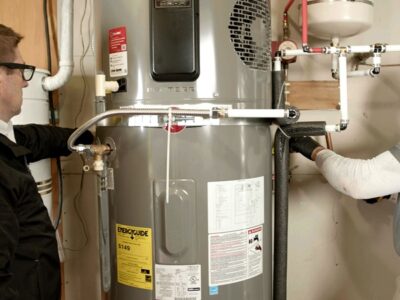
Professional Installation: Given the specialized nature of HPWHs, professional installation is highly recommended. A qualified plumbing and heating contractor will ensure the unit is correctly sized, properly located, and installed according to local codes and manufacturer specifications. They can also handle any necessary electrical upgrades or condensate drain connections. When choosing a contractor, we recommend requesting written cost estimates, asking for references, checking with the Better Business Bureau, and confirming they will obtain all necessary local permits.
Climate Performance: HPWHs perform most efficiently in warmer environments because they draw heat from the surrounding air. They are designed to operate optimally in locations that remain in the 40º–90ºF (4.4º–32.2ºC) range year-round. In colder regions or unheated spaces, their efficiency can decrease, and they may rely more on their traditional electric resistance backup elements, which can increase energy consumption during those periods. However, even in colder climates, HPWHs often remain more efficient than conventional electric water heaters over the course of a year, especially if installed in a heated basement or utility room.
Potential Drawbacks: While the benefits are substantial, it’s important to be aware of a few potential considerations:
- Noise Levels: The fan and compressor components of an HPWH produce some operational noise, similar to a refrigerator or a small window air conditioner. While manufacturers are continuously working to reduce noise, it’s a factor to consider if the unit will be located near living spaces. We’ll dig deeper into this in the FAQ section.
- Cooling the Installation Space: As HPWHs extract heat from the air, they effectively cool the space they are in. This can be a benefit in warm climates or during summer months, but it might be a drawback in colder climates if the unit is in a heated living area. Ideal locations are often basements, garages, or utility rooms where a slight temperature drop is either negligible or even desirable.
Sizing and Locating Your HPWH
Correct sizing and placement are paramount for an HPWH to perform efficiently and meet your household’s hot water needs.
Sizing Your HPWH: The size of your HPWH should be determined by your household’s hot water demand. Key metrics to consider include:
- First Hour Rating (FHR): This indicates how many gallons of hot water the heater can deliver in the first hour of use, starting with a full tank of hot water. This is a critical factor for ensuring sufficient hot water during peak demand times.
- Tank Capacity: Common capacities range from 40 to 80 gallons or more. A general guideline for residential use might be:
- 1-2 people: 40-50 gallons
- 2-4 people: 50-65 gallons
- 5+ people: 65-80+ gallons However, daily hot water usage patterns (e.g., multiple teenagers showering consecutively, frequent laundry use) will also influence the optimal tank size. A professional installer can help you accurately assess your household’s specific needs.
Installation Space and Location: HPWHs have specific requirements for their installation environment to operate at peak efficiency:
- Air Space: They require adequate air volume around them to efficiently draw in heat. A common recommendation is at least 1,000 cubic feet (28.3 cubic meters) of unconditioned air space. This allows for sufficient air circulation for the heat pump to work effectively without rapidly cooling down its immediate surroundings to a point where efficiency is compromised.
- Temperature Range: As mentioned, the ideal ambient temperature range is 40º–90ºF (4.4º–32.2ºC). Installing the unit in a heated space that falls below this range frequently will force it to rely more on its less efficient electric resistance elements.
- Condensate Drain: As the HPWH dehumidifies the air, it produces condensate (water). This water needs to be drained, typically to a floor drain, utility sink, or condensate pump. Ensuring proper drainage is essential to prevent water damage.
Suitable locations often include basements, garages, utility closets with louvered doors, or large laundry rooms. Avoid small, enclosed spaces like linen closets unless specifically designed for such an installation, as restricted airflow will severely hamper efficiency.
Understanding the Costs and Financial Incentives
While the upfront cost of a heat pump water heater can be higher than that of a traditional electric resistance or gas water heater, it’s crucial to consider the long-term operating costs and the available financial incentives that significantly reduce the overall investment.
Upfront Cost vs. Long-Term Savings: The initial purchase and installation cost of an HPWH is typically more than a conventional tank-style water heater. However, this higher upfront investment is usually offset by substantial long-term energy savings. Heat pump water heaters are designed to operate with remarkable efficiency, leading to significantly lower monthly utility bills. Annual energy consumption for a heat pump water heater can range from approximately 486 kWh to over 688 kWh, depending on usage and climate, which is a fraction of what a conventional electric water heater consumes. This translates into a quicker payback period, after which you continue to save money for the lifespan of the unit.
To illustrate the potential savings, let’s look at a comparative overview:
This table demonstrates that while the initial outlay for an HPWH might be higher, the dramatic reduction in energy costs over a decade can lead to substantial overall savings, making it a financially prudent choice.
Maximizing Savings with HPWH Incentives
The good news is that various government and local programs are in place to make HPWHs more affordable, further shortening their payback period.
- Federal Tax Credits: The Inflation Reduction Act (IRA) of 2022 significantly expanded federal tax credits for energy-efficient home improvements, including heat pump water heaters. Homeowners can often qualify for a tax credit equal to 30% of the cost of a new, qualifying HPWH, up to a maximum of $2,000. This credit directly reduces your tax liability, making a substantial dent in the upfront cost. To qualify, the HPWH must meet specific energy efficiency standards set by the IRS.
- State and Local Rebates: Many states, counties, and municipalities offer their own rebate programs to encourage the adoption of energy-efficient appliances. These rebates can vary widely but often provide direct cash back or discounts at the point of sale. For example, some regions might offer several hundred dollars in rebates for installing an ENERGY STAR certified HPWH. These programs are often designed to complement federal incentives, providing even greater financial relief.
- Utility Company Incentives: Local utility companies are increasingly offering incentives for their customers to switch to HPWHs. These incentives can take various forms, such as:
- One-time rebates: A fixed amount credited to your bill or sent as a check after installation.
- Reduced rates: Special electricity rates for HPWH owners, especially those who allow their utility to manage their water heater’s operation during peak demand times (demand response programs).
- Financing options: Low-interest loans or on-bill financing to cover the purchase and installation costs.
Finding Available Incentives: Navigating the landscape of rebates and tax credits can seem daunting, but several resources can help:
- ENERGY STAR Rebate Finder: The ENERGY STAR website provides a comprehensive search tool to find federal, state, and local incentives for qualified products.
- Manufacturer Websites: Many HPWH manufacturers list eligible rebates and tax credits on their product pages.
- Local Utility Company Websites: Check your electric utility provider’s website for specific programs in your service area.
- Qualified Contractors: Professional installers are often knowledgeable about current incentives and can guide you through the application process for rebates and tax credits.
By combining these incentives, the initial cost of an HPWH becomes much more manageable, accelerating the return on your investment and making the switch to this energy-efficient technology an even more attractive proposition.
Frequently Asked Questions about HPWHs
We understand that homeowners often have specific questions when considering a new technology like heat pump water heaters. Here are answers to some of the most common inquiries.
How often does an HPWH need maintenance?
Like any major appliance, a heat pump water heater benefits from regular maintenance to ensure its longevity and optimal efficiency. We generally recommend annual maintenance. This typically includes:
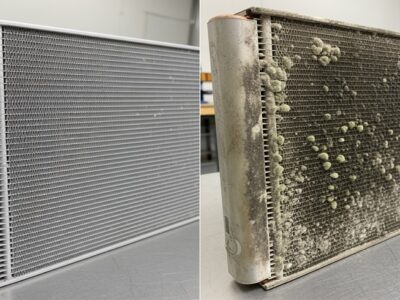
- Cleaning the Air Filter: The HPWH’s air filter should be cleaned or replaced regularly (often monthly or quarterly, depending on household conditions) to ensure proper airflow to the heat pump. A clogged filter can significantly reduce efficiency.
- Checking the Condensate Drain: Verify that the condensate drain line is clear and free of blockages. Algae or debris can accumulate, leading to clogs and potential water leaks.
- Inspecting the Anode Rod: The anode rod helps protect the tank from corrosion. It should be inspected periodically (e.g., every 3-5 years) and replaced if significantly depleted. This is a task best left to a professional.
- Flushing the Tank: In areas with hard water, flushing the tank annually can help remove sediment buildup, which can reduce efficiency and tank lifespan.
Following the manufacturer’s specific recommendations in the owner’s manual is always the best practice.
Can I install an HPWH in a small closet?
Generally, no. Due to their operational principle, heat pump water heaters require a significant volume of air to draw heat from. As discussed earlier, most manufacturers recommend at least 1,000 cubic feet of air space for optimal performance. This is why small, enclosed spaces like typical linen closets are usually unsuitable.
If an HPWH is installed in too small a space, it will quickly cool down the surrounding air, forcing the unit to work harder and less efficiently, or even rely solely on its electric resistance backup elements. This negates the primary benefit of the heat pump technology.
Ideal installation locations are typically:
- Basements: Often provide ample unconditioned air volume and a stable temperature.
- Garages: Similar to basements, garages usually have enough space and a suitable temperature range.
- Utility Rooms: Larger utility rooms with good ventilation or louvered doors can also work.
Some newer, smaller 120V plug-in models might have slightly less stringent air volume requirements, but it’s always critical to consult the manufacturer’s specifications for the specific model you are considering. Proper airflow is essential for the HPWH to operate efficiently and provide the expected energy savings.
How loud is a heat pump water heater?
The noise level of a heat pump water heater is a common concern for homeowners, especially if the unit is located near living areas. HPWHs produce some operational noise due to the fan and compressor, similar to household appliances like a refrigerator or a dishwasher.
To give you a clearer idea:
- Comparison: The sound produced by an HPWH is often compared to that of a modern refrigerator or a quiet clothes dryer. It’s typically a low hum or whirring sound.
- Decibel (dBA) Range: Most HPWHs operate in the range of 45-55 decibels (dBA). For context, a quiet library is around 40 dBA, and normal conversation is about 60 dBA.
- Manufacturer Specifications: Noise levels can vary between models and manufacturers. When researching units, we recommend checking the manufacturer’s specifications, as they usually provide a dBA rating.
Placement is key to mitigating noise concerns. Installing the HPWH in a basement, garage, or dedicated utility room away from bedrooms and living spaces can make its operation virtually unnoticeable. Advances in technology are also leading to quieter models, so newer units may be less obtrusive than older generations.
Conclusion
Heat pump water heaters represent a significant leap forward in home energy efficiency and sustainability. By leveraging the principles of heat transfer, these innovative units offer a compelling alternative to traditional water heating methods.
We’ve explored how HPWHs work by moving heat from the air to your water, making them two to five times more efficient than conventional electric water heaters. We’ve highlighted the substantial benefits, including significant long-term financial savings, a reduced carbon footprint, and added home comfort through dehumidification and space cooling. Smart features further improve the user experience, offering convenience and control.
While considerations such as installation space, climate performance, and initial cost are important, the availability of federal tax credits, state and local rebates, and utility incentives can greatly offset the upfront investment, making HPWHs an increasingly accessible and financially attractive option.
Choosing a heat pump water heater is not just an upgrade for your home; it’s a smart investment in your financial future and a tangible step towards a more sustainable planet. As we move towards a more energy-conscious future, HPWHs are undoubtedly ready to become the standard for efficient water heating in homes across the nation.







Comments