
 By
By 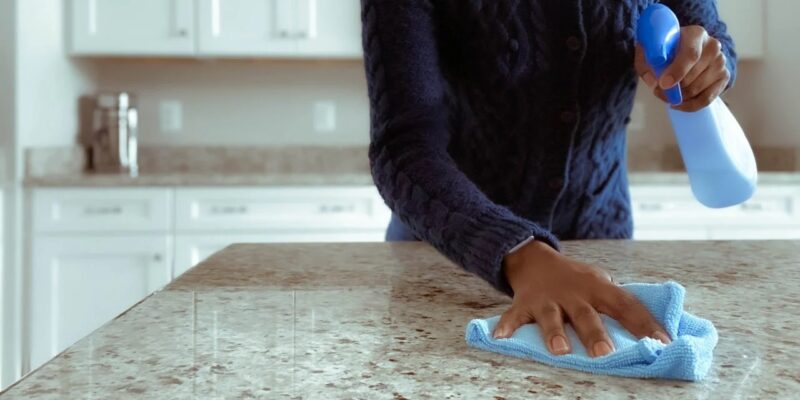
Key Takeaways:
- Eco-friendly countertop cleaning protects your family from harsh chemicals while supporting environmental sustainability.
- Understanding your countertop material ensures safe, effective cleaning and prolongs the life of your surfaces.
- Common household ingredients like baking soda, vinegar, lemon juice, and castile soap are versatile, safe, and cost-effective alternatives to commercial cleaners.
- Daily maintenance, quick spot treatments, and properly stored DIY solutions make green cleaning manageable, even in busy households.
- Kid- and pet-safe methods, combined with sustainable supplies like reusable cloths and refillable bottles, reduce waste and minimize toxins.
- Small, consistent swaps and mindful routines can transform cleaning into a healthier, more eco-conscious habit without sacrificing convenience or cleanliness.
Why Eco-Friendly Countertop Cleaning Matters
Keeping your kitchen and bathroom surfaces spotless is essential for hygiene and home aesthetics. Yet, many commercial cleaning products are packed with harsh chemicals that can harm your family’s health and the planet. Routine cleaning is a must to keep bacteria and grime at bay. Still, the ingredients in most standard sprays and wipes often pollute indoor air, leave behind toxic residues, and contribute to long-term environmental issues once they’re washed down the drain. Embracing eco-friendly bathroom countertop cleaning methods protects your household and the environment and aligns with a growing desire for safer, greener homes. It helps diminish air pollution in your home, prevents chemical buildup on food-prep surfaces, and keeps your conscience clear as you avoid products tested on animals or manufactured with unsustainable practices.
Green cleaning removes toxic compounds for natural alternatives that reduce indoor air pollution and chemical residue on food prep surfaces. People sensitive to allergens or with small children and pets particularly benefit from non-toxic methods. If you or your loved ones have asthma, allergies, or skin sensitivities, the effects of strong cleaners might be even more pronounced, so eco-friendly choices are often the gentlest and safest option. Many eco-friendly solutions help support global sustainability efforts by reducing manufacturing waste, packaging, and water pollution. Even small changes can add up: when you switch to plant-based products, you’re sending a message as a consumer and helping shift broader market practices toward sustainability.
Knowing Your Countertop: Surfaces and Best Practices
Not all countertops are created equal—each material responds differently to cleaning agents and methods. Understanding your surface type is the first step to safe, effective, and green cleaning. Common countertop materials include granite, laminate, quartz, marble, and butcher block. Granite and quartz are durable but can be damaged by acidic cleansers, while marble is highly porous and stains easily. Butcher block (wood) needs moisture control to prevent warping and bacterial growth, and laminate benefits from gentle, non-abrasive cleaning. Knowing the right match of cleaner to surface not only prolongs the life of your investment but also helps you avoid using unnecessary chemicals and saves on repairs. For granite and quartz, pH-neutral cleaners or mild soap solutions are ideal to maintain shine without etching the stone. Marble surfaces benefit from soft cloths and baking soda pastes for stain removal, avoiding vinegar or lemon juice. Butcher block countertops require periodic oiling to protect the wood while cleaning with mild, non-soapy solutions. Laminate can handle gentle all-purpose cleaners but should avoid abrasive pads that may scratch the surface. Tailoring your cleaning method to the countertop material ensures safety and long-term beauty while supporting eco-friendly practices.
Must-Have Green Cleaning Ingredients Found at Home
The foundation of any eco-conscious cleaning arsenal is a set of versatile, time-tested ingredients you likely already have: baking soda, vinegar, lemon juice, and castile soap. Baking soda is a gentle abrasive that deodorizes and lifts stains. At the same time, vinegar (distilled white is best) naturally dissolves mineral build-up and cuts through grease (note: avoid on acid-sensitive surfaces like granite and marble). Fresh lemon juice offers both cleaning power and a fresh scent. Unscented castile soap, a plant-based liquid, cleans effectively without synthetic detergents or fragrances. These ingredients are inexpensive, multi-purpose, and often outperform more expensive branded alternatives thanks to their simplicity and effectiveness.
Unlike most store-bought products, these ingredients are biodegradable, safe for greywater systems, and free from petrochemicals, artificial dyes, and irritants. Their effectiveness and safety make them perfect for regular use in any eco-minded household. To add pleasant scents, consider a few drops of essential oil—like lavender or citrus—in your mixes. Additionally, cornstarch can buff and shine stone surfaces, while hydrogen peroxide works as a stain-lifter when used carefully.
Quick DIY Countertop Cleaning Solutions
Homemade countertop cleansers save money and time, especially when pre-mixed and stored for quick use. You can whip up solutions for daily use or intense cleaning sessions with a handful of common ingredients. Here are two simple recipes:
- All-Purpose Spray (for most countertops):
- Mix 1 cup distilled water, 1 cup white vinegar (substitute with water for granite/marble), and a few drops of castile soap in a reusable spray bottle. Add 5-10 drops of essential oil for aroma (optional). This spray cleans, deodorizes, and leaves a fresh, natural fragrance in your space.
- Scrubbing Paste (for stubborn spots):
- Combine 3 tablespoons of baking soda with enough water to make a spreadable paste. Apply gently with a soft cloth. This mild abrasive paste works wonders on coffee rings, sticky spills, or surface stains without scratching.
Store solutions in tightly sealed, clearly labeled bottles away from direct sunlight. Make small batches and refresh them every few weeks to preserve efficacy, as natural blends can lose potency or separate over time. By prepping these in advance, clean-ups become almost effortless, and you can avoid the lure of single-use wipes or disposable sprays that generate extra waste and higher recurring costs.
Three-Minute Daily Maintenance Habits
- Wipe down surfaces after meals with a damp microfiber cloth.
- Spot-treat spills immediately to prevent stains from setting.
- Quickly buff dry to prevent water marks and streaks.
- Designate a basket or caddy for your basic green cleaning kit to be within reach.
- Encourage family members to clean as they go—teamwork makes routine maintenance effortless.
These micro-cleaning sessions keep your countertops pristine and establish green cleaning as a habit, not a chore, even with the busiest schedules. The more you integrate these techniques into daily life, the less likely stubborn messes will build up, saving you from marathon scrubbing sessions. Just a few minutes here and there can impact your home’s cleanliness and overall household health.
Tackling Tough Stains the Eco Way
Regarding coffee, wine, or tomato stains, patience and the right green strategies make all the difference. For organic stains, sprinkle surfaces with baking soda, sit for 5 minutes, then scrub gently with a damp cloth. For oily residues, castile soap cuts through grease without damaging finishes. For extra stubbornness, hydrogen peroxide can be applied sparingly (test a hidden spot first). Sometimes, layering the treatment—such as applying baking soda, waiting, and finishing with a vinegar rinse (on safe surfaces)—can remove deep-set marks with minimal elbow grease. Remember, immediate attention is best—soak up spills before they set to minimize the need for repeated cleaning.
Kid and Pet-Safe Countertop Cleaning
If you have children or pets, extra care should be taken to avoid essential oils (which can be toxic for certain animals) and any ingredient you know your household is sensitive to. Children tend to touch surfaces and put their hands in their mouths, so the residue left behind matters. Plain castile soap and water remain the safest all-around option. Hydrogen peroxide and diluted baking soda paste are also effective and generally considered safe once wiped away thoroughly. Before introducing any new cleaning blend, do a small patch test and watch reactions, especially with curious kids or four-legged friends.
When in doubt, always double-rinse surfaces and store cleaning supplies out of children’s reach to avoid accidental ingestion or skin contact. Doing so allows you to confidently use DIY cleansers without concern for unintentional harm, keeping your loved ones and furry companions always safe.
Reducing Waste: Sustainable Supplies & Habits
Reusable microfiber cloths, washable sponges, and refillable spray bottles are key to a zero-waste cleaning routine. Instead of single-use paper towels, repurpose old t-shirts as cleaning rags. Save glass condiment jars or plastic spray bottles for your homemade cleaners. With just a few of these reusable items, you can eliminate the need for disposable wipes or sprays, saving money and reducing your household’s landfill contribution.
Retire old or expired chemical cleaners at city hazardous waste drop-off points—never pour them down the drain. Proper chemical disposal keeps toxins out of waterways and local ecosystems.
Wrapping Up: Making Green Cleaning a Lasting Habit
Busy households don’t need to overhaul routines overnight to see the benefits of green cleaning. Start with small swaps, such as replacing your all-purpose spray with a simple vinegar solution, and gradually build your eco habits as time allows. It can help to set reminders or routines—like a weekly check to top up your homemade cleansers or replace used rags with clean ones. The payoff is meaningful: safer, cleaner surfaces, reduced environmental impact, and a sense of purpose in daily routines.
Choosing natural ingredients and reusable supplies protects your family and the earth—without compromising cleanliness or convenience. Every small step toward sustainable cleaning is a win for your home and our planet. Even the busiest households can embrace eco-friendly countertop cleaning habits with the right tools, knowledge, and consistent effort—leading to a healthier, happier home for all.












Comments