
 By
By 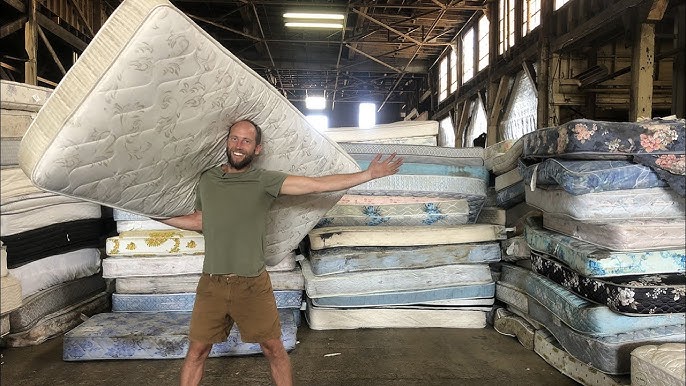
Every year, millions of mattresses are discarded across Canada and the United States. With their bulky size and non-biodegradable materials, mattresses pose a serious challenge to waste management systems. Landfilling them is not only inefficient but also harmful to the environment. Fortunately, mattress recycling has emerged as a sustainable solution that benefits both people and the planet.
In this article, we’ll explore why mattress recycling is the smarter alternative to landfilling, how the process works, and the broader environmental, economic, and social benefits it brings.
The Problem with Landfilling Mattresses
Mattresses are among the most problematic items for landfills. Here’s why:
- Bulky Size – A single mattress can take up to 40 cubic feet of landfill space, reducing overall landfill capacity.
- Non-Biodegradable Materials – Foams, synthetic fabrics, and adhesives can take hundreds of years to decompose.
- Chemical Risks – Flame retardants, dyes, and adhesives can leach into surrounding soil and water supplies.
- Lost Resources – Each mattress contains steel, foam, and wood that could be recovered and reused instead of wasted.
With landfill capacity shrinking and environmental concerns increasing, municipalities are looking for alternatives that reduce strain on waste systems.
What Is Mattress Recycling?
Mattress recycling is the process of dismantling old mattresses and separating their components for reuse. On average, 80–90% of a mattress can be recycled.
Key recovered materials include:
- Steel Springs – Extracted and melted down for construction and manufacturing.
- Foam and Padding – Repurposed into carpet underlay, insulation, or cushioning.
- Wood Frames – Chipped into mulch or converted into biofuel.
- Fabrics and Fibers – Reused in industrial textiles and cleaning materials.
This approach not only prevents waste but also supports the circular economy, where materials are reused rather than discarded.
Environmental Benefits of Mattress Recycling
- Reduces Landfill Waste – Keeps bulky mattresses out of already overcrowded waste facilities.
- Conserves Natural Resources – Recycled steel and foam reduce the demand for virgin raw materials.
- Lowers Carbon Emissions – Manufacturing from recycled inputs uses significantly less energy.
- Protects Soil and Water – Prevents chemical leakage from non-biodegradable mattress components.
By choosing recycling, communities directly contribute to reducing their ecological footprint.
Economic and Social Advantages
Mattress recycling isn’t just good for the planet—it also benefits communities and local economies:
- Job Creation – Recycling facilities require labor for sorting, dismantling, and processing materials.
- Cost Savings for Municipalities – Diverting bulky waste reduces landfill operating expenses.
- Corporate Sustainability – Hotels, universities, and retailers can demonstrate environmental responsibility through recycling programs.
Leaders in Mattress Recycling
Specialized recycling companies ensure that mattresses are dismantled responsibly. Many communities partner with organizations like Recyc-Matelas mattress recycling, which focuses on sustainable practices to recover valuable materials while minimizing environmental harm. Such providers make mattress recycling accessible to households, businesses, and municipalities alike.
How Homeowners Can Recycle Their Mattresses
If you’re considering recycling your mattress, here are practical steps:
- Check local recycling programs – Many municipalities now have designated drop-off centers.
- Retailer take-back programs – Some mattress stores will remove and recycle your old mattress when you buy a new one.
- Hire specialized recyclers – Private companies can arrange pickup and processing of old mattresses.
Final Thoughts
Choosing mattress recycling over landfills is one of the most impactful steps individuals and businesses can take toward sustainability. Recycling saves landfill space, reduces pollution, conserves resources, and supports local economies.
Rather than allowing old mattresses to sit in landfills for generations, recycling gives their materials new life—transforming waste into opportunity. For homeowners, businesses, and municipalities alike, the choice is clear: mattress recycling is the smarter, greener, and more responsible solution.










Comments