
 By
By 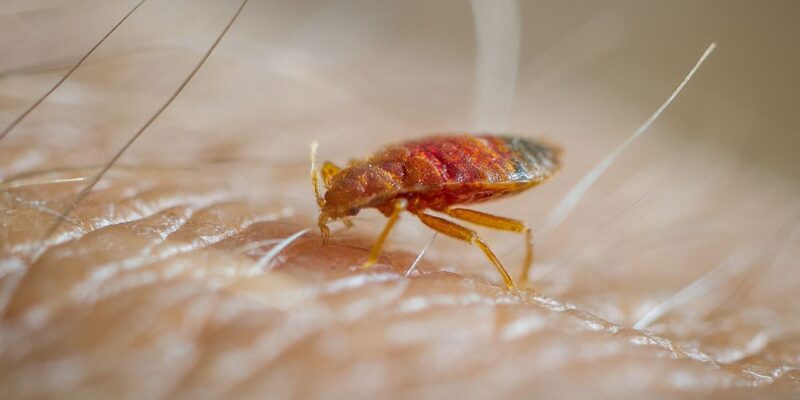
If you’ve lived in New York City for any length of time, you’ve likely heard a horror story (or five) about bed bugs. From upscale Manhattan apartments to Brooklyn walk-ups, no borough is safe from these tiny pests. In recent years, bed bug infestations have been on the rise again, and NYC consistently ranks among the most bed bug–infested cities in the country.
But why is this happening? And more importantly, what can you do to protect yourself, your family, and your home?
Why Are Bed Bugs So Common in NYC?
There are a few key reasons why New York City is such a hotbed for bed bugs:
1. High Population Density
With over 8 million residents packed into a relatively small area, NYC is the perfect environment for bed bugs to thrive. In apartment buildings, townhouses, and multi-family homes, bed bugs can easily travel from one unit to another through walls, pipes, and electrical wiring.
2. Constant Travel & Tourism
NYC is one of the world’s most visited cities. With millions of tourists passing through hotels, Airbnbs, public transit, and rideshares every year, there are countless opportunities for bed bugs to hitch a ride in luggage, clothing, or furniture.
3. Secondhand Furniture
The growing popularity of thrifting and picking up “curb finds” can unknowingly introduce bed bugs into your home. That perfectly good mattress or sofa on the sidewalk might come with some unwanted passengers.
4. Resistance to Pesticides
Modern bed bugs have developed a high resistance to many over-the-counter insecticides. This makes DIY treatments largely ineffective and allows infestations to spread unchecked if not professionally handled.
Common Places Bed Bugs Hide in NYC Apartments
Bed bugs are small (about the size of an apple seed), flat, and nocturnal. They hide during the day and come out at night to feed on human blood. Here are some of their favorite hiding spots:
- Mattress seams and box springs
- Cracks in bed frames or headboards
- Behind baseboards or picture frames
- Inside electrical outlets
- In clothing, luggage, or upholstered furniture
Even the cleanest homes can fall victim to an infestation. Bed bugs don’t care about cleanliness—they care about proximity to people.
What You Can Do to Prevent a Bed Bug Infestation
While there’s no way to guarantee you’ll never deal with bed bugs, there are steps you can take to significantly reduce your risk.
Inspect Hotel Rooms When Traveling
Before you unpack, inspect the mattress, box spring, and headboard for signs of bed bugs: small reddish stains, dark droppings, or live insects. Keep luggage elevated and away from beds or upholstered furniture.
Be Cautious With Secondhand Items
Always inspect and, if possible, heat-treat used furniture, clothing, or electronics before bringing them into your home. When in doubt, leave it out.
Use Protective Covers
Encasing your mattress and box spring in a high-quality, bed bug–proof cover can make it harder for bed bugs to hide and easier to spot signs of an infestation.
Vacuum Regularly
Frequent vacuuming—especially around beds and furniture—can help catch any stray bugs before they establish a foothold.
Be Mindful in Shared Spaces
If you live in an apartment or multi-unit building, be vigilant. Avoid leaving laundry unattended, and report any suspected bed bug activity to your building management right away.
What to Do If You Have Bed Bugs
If you suspect you’ve been bitten or see signs of bed bugs in your home, act fast. Bed bugs multiply quickly, and a small problem can become a big one in just a few weeks.
Don’t Panic—but Don’t Wait
Ignoring the problem or hoping it will go away on its own almost always makes things worse. Contact a licensed pest control professional with experience in bed bug extermination.
Avoid DIY Treatments
Most over-the-counter sprays are ineffective and can even spread the infestation by causing bugs to scatter. Professional exterminators use a combination of targeted treatments such as heat, steam, and insecticide to eliminate bed bugs at all life stages.
Follow Prep Instructions Carefully
Preparing your home properly before treatment is crucial. This may include laundering all bedding and clothing, decluttering, and sealing items in plastic bags. Your exterminator will provide a detailed checklist.
Final Thoughts
Bed bugs are more than just a nuisance—they can disrupt your sleep, affect your mental health, and even cause allergic reactions. But with awareness, prevention, and prompt action, you can protect your NYC home from these persistent pests.
If you’re dealing with a bed bug infestation—or want a professional inspection for peace of mind—don’t wait. NYC’s leading bed bug extermination experts are just a call away and can help you reclaim your home from these unwelcome visitors. We recommend bed bugs extermination nyc.











Comments