
 By
By 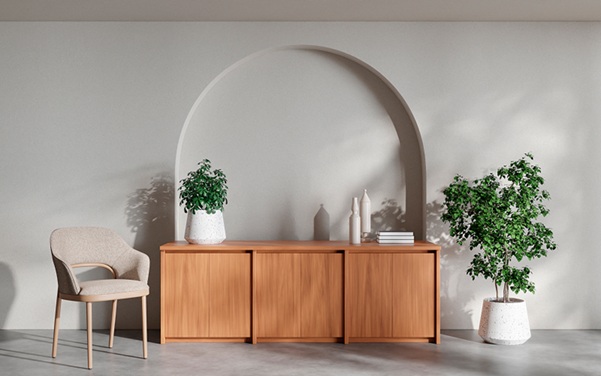
Minimalism has grown in popularity, especially in urban environments like Singapore, where space is limited. However, many homeowners misinterpret minimalism as simply removing as much as possible. This leads to interiors that feel unfinished or cold. True minimalism is about intention, not absence. A well-executed minimalist space balances form and function, ensuring every item serves a purpose without stripping away comfort. Minimalist design does not mean living in an empty shell—it means curating your environment with care.
Ignoring Function in Favour of Aesthetics
Another misstep occurs when people focus on achieving a particular visual rather than considering how the space supports daily life. Minimalist interior design should prioritise usability. Furniture must be scaled properly and placed for accessibility, not merely for symmetry or style. A Singapore interior design firm specialising in minimalist approaches typically integrates user behaviour into the layout, ensuring the home supports routines without clutter. Stripping back design elements should never compromise functionality.
Over-Reliance on Neutral Colours Without Contrast
Minimalist interiors are frequently associated with monochromatic or neutral palettes, which can look elegant when done right. However, many homeowners fall into the trap of applying whites and greys uniformly, resulting in a flat, uninspired interior. Skilled designers introduce contrast through material textures, lighting, or subtle colour variations. For example, pairing a matte concrete wall with warm wood flooring can introduce depth without clutter. Minimalism works best when there’s enough variety to create visual interest within a restrained framework.
Forgetting the Role of Storage
A clutter-free space doesn’t happen by accident—it requires thoughtful storage solutions. Many people remove furniture and decorative pieces in the name of minimalism, but overlook where everyday items will go. This results in visible clutter reappearing shortly after renovation. Interior designers working in Singapore’s compact flats often prioritise built-in storage that blends seamlessly with the space. From full-height cabinets to under-seat drawers, these solutions preserve the minimalist look while supporting realistic lifestyles.
Misjudging Scale and Proportion
Minimalism doesn’t mean using only small furniture or keeping everything against the walls. Choosing pieces that are too small for a room can make the space feel sparse rather than refined. A minimalist space benefits from proper proportions and spatial balance. Interior design firms in Singapore understand how to use furniture placement to enhance flow while making the home feel cohesive. A large statement sofa can still work within a minimalist layout if it’s balanced with the right spacing and surroundings.
Neglecting the Emotional Experience of Space
A common pitfall in minimalist design is focusing too much on removing and not enough on how the space makes people feel. Interiors that lack warmth can quickly become sterile or uninviting. Texture, lighting, and natural elements help bring life into minimalist spaces. Soft textiles, ambient lighting, and natural light are essential components. Even in the most restrained layouts, emotional comfort must remain part of the design objective.
Believing Minimalism Has No Room for Personality
Minimalism doesn’t require eliminating character from the home. Some homeowners remove all decorative items in an attempt to stay true to the style, but this leads to interiors that feel generic. A balanced minimalist space allows for expression through carefully selected art, books, or sculptural furniture. These choices provide identity without clutter. A Singapore interior design firm that understands minimalist principles will help integrate personal touches in a restrained and intentional manner.
Learn More: Unveiling Timeless Elegance: Exploring 10 Modern Luxury Designs
Misunderstanding Maintenance Requirements
One misconception is that minimalist interiors are always low maintenance. While there are fewer items to clean, white surfaces, open spaces, and sleek finishes can require more frequent upkeep to maintain their look. Dust, smudges, and clutter become more visible in minimalist homes. To address this, designers often recommend finishes that are easier to maintain or subtly textured to hide imperfections. The minimalist look requires consistent discipline, which must be considered during planning.
Following Trends Instead of Design Principles
Minimalism is frequently reduced to a social media trend, where homeowners aim to copy magazine or Pinterest photos without understanding the underlying design principles. This leads to spaces that look good in images but don’t function well in daily life. Interior designers working in Singapore’s urban context build minimalist spaces grounded in user needs, spatial logic, and long-term viability. The outcome is a home that’s quiet in appearance but rich in purpose.
Minimalist interior design isn’t about having less—it’s about making better decisions with what you keep. Many homeowners miss the mark by focusing on surface-level aesthetics instead of the design’s underlying function. By working with a Singapore interior design firm that understands the subtleties of minimalism, it’s possible to create a home that feels spacious, grounded, and genuinely livable.
For more information about interior design services, contact Interior Times today.










Comments