
 By
By 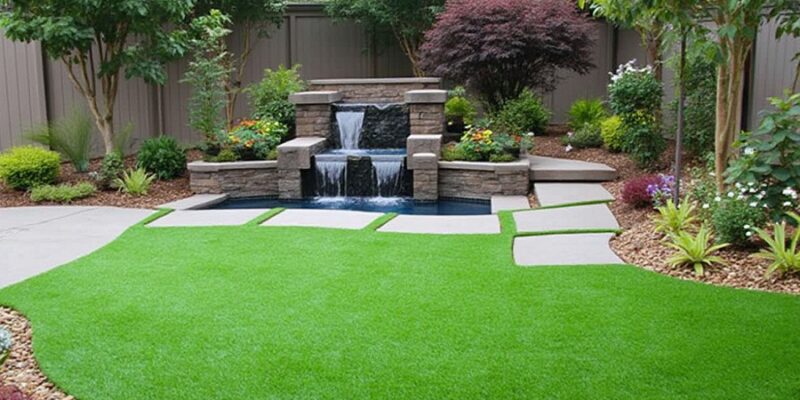
Why Choose Artificial Grass? A Look at the Benefits
Opting for artificial grass in your landscaping is more than just a trend; it’s a strategic decision that offers a multitude of benefits. It can transform your outdoor space into a low-maintenance, aesthetically pleasing, and environmentally conscious haven. The advantages are compelling, from boosting your property’s appeal to significantly cutting down on upkeep.
Maintenance and Cost Comparison
One of artificial grass’s most immediate and impactful benefits is the drastic maintenance reduction. Imagine a lawn that never needs mowing, watering, trimming, fertilizing, aerating, or weeding. This isn’t a dream; it’s the reality with synthetic turf. While natural grass demands constant attention and often requires weekly chores during growing seasons, artificial grass frees up your weekends and eliminates the need for expensive lawn care services.
Initially, the upfront investment for high-quality artificial grass might seem higher than laying down natural sod. However, this perspective changes dramatically when considering the long-term financial implications. The ongoing costs of natural grass—water bills, fertilizers, pesticides, lawnmower fuel, and maintenance equipment or services—increase quickly. Studies suggest that artificial turf can pay for itself in as little as 5-6 years when factoring in these savings. The cost-effectiveness becomes undeniable over its lifespan, which can be 10-15 years or more, even in high-traffic areas or harsh climates.
[TABLE]
Feature Artificial Grass Natural Grass Maintenance Almost none (no watering, cutting, fertilizing) High (regular watering, mowing, weeding, fertilizing) Annual Cost Very low (occasional cleaning) High (water, fertilizer, equipment, labor) Water Usage None for upkeep High (significant portion of household water use) Lifespan 10-15+ years Ongoing, but susceptible to disease/pests Environmental and Property Value Impact.
Beyond the convenience and cost savings, artificial grass offers significant environmental advantages. Water conservation is paramount, especially in drought-prone regions. Traditional lawn watering accounts for a substantial portion of residential water use, with some estimates suggesting it consumes approximately 30 percent of total annual household water. By eliminating the need for irrigation, artificial grass becomes a crucial component of drought-friendly landscaping, helping communities conserve this precious resource. For instance, cities like Austin and Dallas have reported water restrictions due to drought conditions, making water-saving solutions highly desirable.
Furthermore, artificial grass contributes to a reduced carbon footprint. It requires no lawnmowers, which use fuel and are a major contributor to household pollution in the U.S. There’s also no need for chemical fertilizers or pesticides, protecting local ecosystems and groundwater from harmful runoff. Innovations in manufacturing, such as soy-based backing like EnviroLoc™, further improve its eco-friendly profile by displacing petroleum-based materials.
Upgrading your landscape with artificial turf can be a wise investment from a property value perspective. Real estate studies indicate that synthetic turf can increase the value of your home by 5-15 percent by providing improved curb appeal, cost savings, and a low-maintenance option that appeals to potential buyers. This makes it an attractive feature for homeowners looking to boost their property’s market appeal.
Front Yard Facelifts: Artificial Grass Landscaping Ideas for Curb Appeal
Your front yard is the first impression your home makes. It sets the tone for your property and significantly contributes to its curb appeal. With artificial grass, achieving a pristine, inviting, and modern aesthetic is possible and surprisingly effortless.
Geometric and Modern Designs
Artificial grass lends itself beautifully to contemporary landscaping, allowing for sharp lines and striking geometric patterns that are difficult to maintain with natural turf. We can integrate it seamlessly with hardscaping elements to create sophisticated designs:
- Turf and Paver Combinations: Imagine a checkerboard pattern of artificial grass squares interspersed with concrete pavers. This creates a visually dynamic and modern look, offering softness and structure. The clean edges of the synthetic turf complement the rigidity of the pavers, resulting in a carefully manicured appearance.
- Clean Lines and Strips: For a minimalist aesthetic, consider long, narrow strips of artificial grass running between large concrete slabs or alongside a sleek pathway. This breaks up expansive hard surfaces with a touch of green, adding texture and visual interest without overwhelming the design.
- Defined Zones: Use artificial grass to create distinct “zones” within your front yard. A rectangular patch of turf could serve as a central lawn, bordered by gravel or decorative stones, leading to a modern seating area.
Natural Shapes and Borders
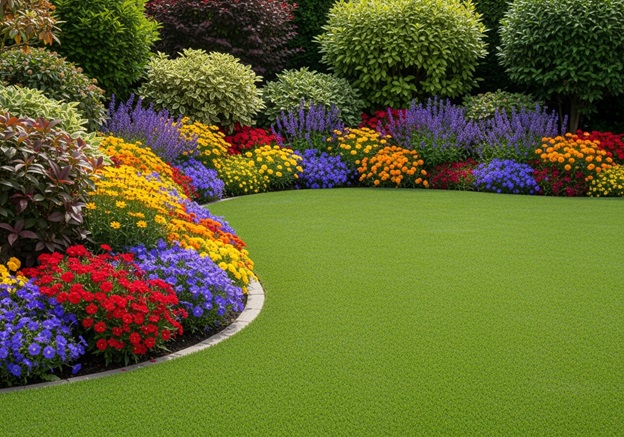
While artificial grass excels in modern designs, its versatility also allows for soft, organic shapes that mimic natural landscapes. We can cut and install synthetic turf to follow the natural contours of your yard, creating flowing lines and gentle curves.
- Curvy Lawn Edges: Instead of a traditional rectangular lawn, opt for a gracefully curved artificial grass area that meanders around flower beds or pathways. This creates a more dynamic and inviting feel.
- Integrating Around Trees: Artificial grass can be cut precisely to fit around existing trees, providing a lush, green base without struggling to maintain natural grass in shaded or high-traffic areas around trunks. This eliminates patchy growth and ensures a consistently vibrant look.
- Bordering with Hedges and Shrubs: Frame your artificial lawn with low-maintenance hedges, colorful shrubs, or perennial flower beds. This creates a natural border that improves the turf’s green vibrancy and adds depth to your landscape.
- Using Rocks and Pebbles: Consider a decorative rock or pebble border between your artificial grass and other landscaping elements for a low-maintenance and visually appealing divider. This provides a clean separation and adds textural contrast.
Integrating Hardscape: Pavers and Artificial Grass Landscaping Ideas
The combination of artificial grass with various hardscaping elements is where its design potential truly shines. This integration creates functional, aesthetically pleasing, and low-maintenance outdoor spaces.
- Stone Pathways and Stepping Stones: Use flagstone stepping stones or decorative pavers to create inviting pathways through your artificial lawn. The contrast between the soft turf and the solid stone is visually appealing, and the turf ensures a mud-free path even after rain.
- Driveway Edging: Artificial grass can be used to edge driveways, providing a neat, green border that withstands vehicle traffic better than natural grass and requires no trimming. This maintains a consistently manicured look, enhancing the overall curb appeal.
- Mixed Materials for Visual Interest: Don’t be afraid to combine artificial grass with other materials like gravel, wood chips, or small water features. The turf’s uniform green provides a perfect backdrop, allowing different elements to stand out and creating a rich, layered landscape design. The seamless transitions between these materials create a sophisticated and well-thought-out front yard.
Backyard Changes: Creative Uses for Synthetic Turf
Your backyard is a canvas for outdoor living, a place for relaxation, entertainment, and play. Artificial grass opens up a new field of possibilities, allowing us to create functional, beautiful, and highly customizable spaces that cater to diverse lifestyles.
Entertainment and Recreational Zones
Artificial grass is a game-changer for creating dedicated entertainment and recreational areas, offering durability and year-round usability.
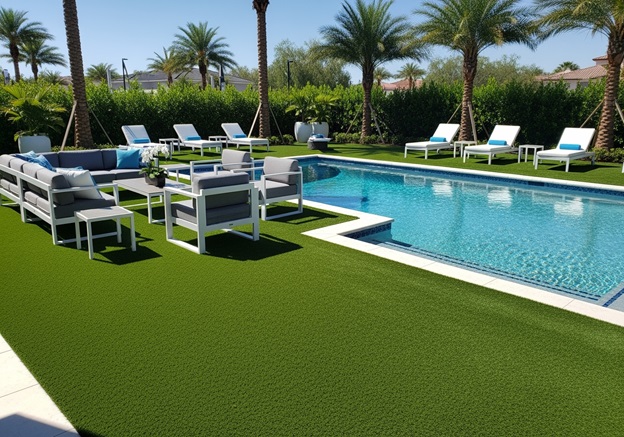
- Pool Surrounds: One of the most popular and practical applications is around swimming pools. Artificial grass provides a lush, green, and slip-resistant surface that stays cool underfoot, unlike concrete or pavers. It eliminates mud and grass clippings from being tracked into the pool, making maintenance a breeze. The excellent drainage properties of synthetic turf ensure that water quickly dissipates, keeping the area dry and clean.
- Patios and Decks: Install artificial grass to transform a drab patio or deck into a vibrant outdoor living room. It adds a soft, inviting texture underfoot, making the space more comfortable for lounging and entertaining. This is particularly effective for creating a seamless indoor-outdoor transition.
- Backyard Putting Greens: For golf enthusiasts, a private backyard putting green is the ultimate luxury. Artificial grass designed specifically for putting greens offers a consistent roll and realistic feel, allowing for practice anytime. We can customize the shape and contours to mimic professional courses, complete with fringe grass for chipping practice.
- Bocce Ball Courts and Outdoor Chess Boards: Beyond golf, artificial turf can create perfectly level and durable surfaces for other outdoor games like bocce ball or oversized chess. These dedicated zones provide endless fun for family and friends. Achieving a seamless look, especially around complex features like pools or custom game courts, often requires Expert synthetic turf landscaping to ensure proper drainage and fitting, guaranteeing a professional and long-lasting result.
Family and Pet-Friendly Spaces
Safety, cleanliness, and durability are key considerations for family and pet-friendly backyards. Artificial grass excels in all these areas.
- Safe Play Areas for Children: Synthetic turf provides a soft, cushioned surface ideal for children’s play areas. Unlike natural grass, it won’t develop bare spots or muddy patches from active play. For added safety, shock-absorbent padding can be installed underneath, reducing the risk of injuries from falls. Many options are IPEMA-certified for playground use, ensuring the highest safety standards.
- Durable Dog Runs and Pet Areas: Pets, especially dogs, can be tough on natural lawns, leading to muddy paws, worn-out paths, and unpleasant odors. Artificial grass is a robust solution for pet owners. It’s highly durable, resistant to digging, and easy to clean. Designated dog runs or “potty areas” can be created with specialized pet turf that features superior drainage and odor-controlling infill, ensuring a clean and hygienic space for your furry friends. The absence of mud means no more muddy paw prints tracked into the house, a significant benefit for pet owners!
Creative Backyard Artificial Grass Landscaping Ideas for Small Spaces
Artificial grass can transform even the smallest outdoor spaces into lush, green retreats. Its adaptability makes it perfect for urban environments where traditional lawns are impractical.
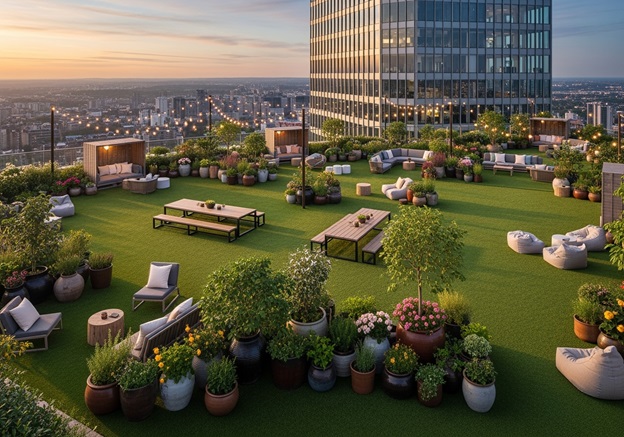
- Balconies and Rooftop Terraces: Convert a concrete balcony or a bare rooftop into a vibrant green oasis. Artificial grass adds instant warmth and natural appeal, making these living spaces more inviting for relaxation or entertaining. It’s lightweight and doesn’t require soil or extensive structural support, unlike natural sod.
- Vertical Gardens and Green Walls: Consider integrating artificial grass into vertical gardens or green walls for truly compact areas. These installations bring a touch of nature to small patios or courtyards without sacrificing precious floor space. An artificial green wall can provide privacy and a stunning visual backdrop.
- Indoor Green Spaces: Artificial grass isn’t limited to the outdoors. It can be used creatively indoors to define zones, add a playful touch to a playroom, or even create a unique “garden nook” in a sunroom or library. Since it doesn’t require sunlight or watering, it’s ideal for bringing greenery into any interior space. This is an innovative way to create a sense of nature in urban environments where outdoor space is scarce.
From Groundwork to Greenery: A Guide to Selection and Installation
The longevity and performance of your artificial grass landscape depend heavily on careful selection and professional installation. While some small DIY projects are possible, larger residential installations benefit greatly from expert knowledge and specialized equipment.
Choosing the Right Type of Artificial Grass
Not all artificial grasses are created equal. Understanding the key characteristics will help you select the best product for your specific needs:
- Pile Height: This refers to the length of the grass blades. Shorter pile heights (around 1 inch) are often used for putting greens or high-traffic areas due to their durability and ease of maintenance. Longer pile heights (1.5 to 2 inches or more) offer a softer, more natural appearance, ideal for general landscaping and lounging areas.
- Face Weight and Density: Face weight is the amount of material per square foot, while density refers to how closely packed the blades are. Higher face weights and densities generally indicate a more durable and realistic-looking product.
- Thatch Layer: Many artificial grasses include a brown, curly “thatch” layer at the base of the blades. This layer mimics the dead grass in natural lawns, adding realism and supporting the upright blades.
- Backing and Drainage: The backing material is crucial for durability and drainage. High-quality backings are often made from multiple layers (e.g., polyurethane) and feature perforations for water to drain through. Some advanced systems offer 100% permeable backing for superior drainage, especially in pet areas or regions with heavy rainfall.
- UV Stability: This prevents fading and degradation from sun exposure. Look for products with potent UV inhibitors, ensuring the grass retains its vibrant color for many years, even in harsh climates.
- Materials: Most artificial grass is made from polyethylene, polypropylene, or nylon. Polyethylene is standard for landscaping due to its soft feel and natural look. Nylon is highly durable but can be stiffer, and it is often used in putting greens or high-traffic commercial applications.
Best Practices for Residential Installation
Professional installation ensures optimal performance, longevity, and aesthetics. Here are the key steps involved:
[LIST]
- Proper Site Preparation: This is the most critical step. It involves removing existing sod and vegetation, excavating the area to the correct depth, and ensuring adequate grading for drainage. The sub-base should slope away from the house or structures to prevent water pooling.
- Compacted Base Layer: A stable, permeable base is essential. Typically, this involves laying down and compacting crushed rock or decomposed granite layers. This creates a firm, level foundation that allows efficient water drainage and prevents settling or undulations in the turf.
- Ensuring Adequate Drainage Slope: Proper sub-base grading is crucial even with permeable backing. A slight slope (typically 1-2%) ensures that water drains away effectively, preventing puddles and maintaining the turf’s cleanliness.
- Seaming Techniques: Professional seaming is vital if multiple rolls of turf are needed. This involves cutting the edges precisely, aligning the rolls, and using specialized seaming tape and adhesive to create virtually invisible seams that hold firm over time.
- Infill Application: After the turf is laid and secured, infill material (like silica sand, crumb rubber, or specialized antimicrobial infills) is brushed into the blades. Infill helps the blades stand upright, provides ballast, protects the backing from UV rays, and can help regulate surface temperature. Antimicrobial infills are recommended to control odors in pet areas.
- Securing the Perimeter: The edges of the artificial grass are typically secured with landscape spikes, nails, or adhesive to prevent lifting or shifting, ensuring a neat and durable finish.
Frequently Asked Questions about Artificial Grass
We understand homeowners have many questions when considering artificial grass for landscaping projects. Here are some of the most common inquiries we address:
How do you clean artificial grass?
Maintaining artificial grass is remarkably simple compared to natural lawns. For general upkeep:
- Regular Rinsing: Rinse the turf with a garden hose to remove dust, pollen, and light debris. This helps keep the blades clean and vibrant.
- Debris Removal: Use a leaf blower, rake (with plastic tines to avoid damaging the blades), or a stiff broom to remove leaves, twigs, and other organic debris.
- Brushing: The grass blades might flatten over time, especially in high-traffic areas. Use a stiff-bristled broom or a power brush designed for artificial turf to brush the blades against the grain, helping them stand upright again.
- Spot Cleaning for Pet Waste: Rinse the area thoroughly with water for pet urine. Remove solid waste from natural grass as you would, then rinse the area. Specialized turf cleaners and deodorizers are available for deeper cleaning and odor control, especially for dedicated pet areas.
Is artificial grass safe for children and pets?
Yes, high-quality artificial grass is designed with safety in mind for both children and pets.
- Non-Toxic Materials: Reputable manufacturers use non-toxic, lead-free materials that are safe for contact.
- No Harmful Chemicals: Unlike natural lawns that often require pesticides, herbicides, and chemical fertilizers, artificial grass eliminates the need for these potentially harmful substances, creating a safer environment for everyone.
- Shock-Absorbent Padding: For play areas, additional shock-absorbent padding can be installed underneath the turf to provide a softer landing surface, reducing the risk of injury from falls. Look for IPEMA-certified products for playgrounds that meet stringent safety standards.
- Pet-Friendly Features: Modern pet turf options are designed with superior drainage and often incorporate antimicrobial infills to prevent bacterial growth and control odors, ensuring a hygienic space for your furry companions.
How hot does artificial grass get in the sun?
Artificial grass can absorb and retain more heat than natural grass, especially in direct sunlight during hot weather. The degree of heat retention depends on factors like turf color, infill type, and ambient temperature.
- Lighter-Colored Infill: Using lighter-colored infill materials (such as silica sand or specialized cooling infills) can help reflect sunlight and reduce surface temperatures compared to darker crumb rubber infills.
- Rinsing with Water: A quick rinse with a garden hose can instantly cool down the surface of artificial grass, making it comfortable for use even on hot days. Water drains quickly through the turf, so it doesn’t create a muddy mess.
- Strategic Shade Placement: Incorporating shade structures like pergolas, awnings, or strategically planted trees can help reduce direct sun exposure and keep the turf cooler.
- Cooling Technology: Some advanced artificial grass products now incorporate cooling technologies or reflective properties in their fibers to mitigate heat buildup.
While artificial grass can get warm, its many benefits often outweigh this consideration, especially with proper planning and maintenance.
Conclusion
Artificial grass offers an approach to landscaping, providing a beautiful, low-maintenance, and versatile solution for any outdoor space. We’ve explored its significant benefits, from substantial water savings and reduced environmental impact to increased property value and year-round aesthetic appeal.
Whether you envision a pristine, modern front yard that captivates with geometric precision, or a dynamic backyard retreat featuring entertainment zones, safe play areas, or lush green spaces in urban environments, artificial grass makes it possible. Its adaptability allows for seamless integration with various hardscaping elements, creating cohesive and functional designs custom to your lifestyle.
By choosing the correct type of turf and ensuring professional installation, you’re investing in a landscape that looks stunning and frees you from the endless chores of traditional lawn care. Accept the future of landscaping and transform your outdoor living areas into beautiful, functional, and effortlessly green havens.




Comments