
 By
By 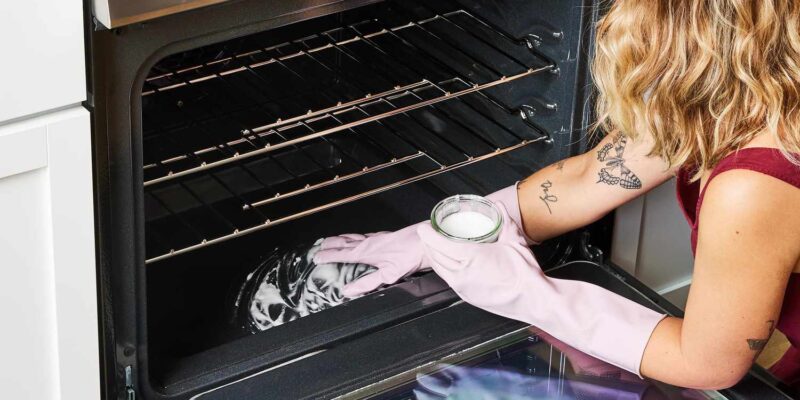
An oven that cleans itself does sound like a cool and convenient feature, especially for those who don’t want the hassle of doing that on a regular basis.
However, while pretty useful, the self-clean function does come with some obvious drawbacks, which don’t make it economically viable. It can also shorten the lifespan of the cooker, which is another major minus, so it makes sense to use the option sparingly.
Here are some easy and effective ways to clean your oven manually, so this annoying chore gets done with minimal time and effort.
Why Use the Self-Clean Function Sparingly?
First, skipping the self-clean feature on your oven saves on electricity. Can you imagine all the power required to generate that amount of heat? That will surely show up on your energy bill.
Moreover, the self-clean option can wear out the internal parts faster over time, which will shorten the appliance’s lifespan or lead to costly repairs.
Instead, it’s better to clean the cooker naturally and use the feature sparingly. You will thus use less energy, avoid harsh chemicals, and protect the appliance from damage.
Baking Soda As a Natural Cleaner For Your Oven
Sodium bicarbonate is a great natural way to clean your oven. It’s a good alternative to pricey chemical cleaners because it works wonders on grease and grime. Just mix half a cup of baking soda with a bit of water until it looks like frosting.
After that, spread the paste on the dirty areas, like the oven’s bottom and the glass door. Make sure your oven’s cool first so you don’t get burnt.
If stains are really stubborn, let the paste sit overnight. For the less tough ones, a few hours should do it. You’ll probably see the paste change colour as it breaks down the grime. That means it’s working.
After it has done its job, just wipe everything away with a damp cloth. That’s it, you now have a spotless oven and a healthier kitchen, without resorting to chemical cleaners.
Vinegar as a Cleaning Booster After Baking Soda
If the oven’s too dirty, the bicarbonate of soda might not completely remove the gunk. That’s when you can follow up with a diluted white vinegar solution. Mix equal parts of water and vinegar in a spraying bottle and tackle the problematic areas.
Once again, leave the mixture on for at least 30 minutes to tackle the grease and gunk. Afterwards, it will be much easier to wipe it away and achieve a sparkling-clean oven.
How to Easily Clean The Oven Racks
This might sound like a complicated task, but it’s really not. Especially if you tackle them the right way.
Fill up your bathtub, a large basin, or even your kitchen sink with some warm water—just make sure it’s hot but also safe to touch. Add a good squirt of dish soap to it (about a tablespoon should do) and mix it up until it’s nice and bubbly.
For a bit of extra grease-cutting power, maybe give a splash of vinegar a go. Pop the oven racks in and let them soak for at least four hours. You’ll find this soak-and-scrub method works wonders, breaking down all that stuck-on food and grease.
Once they’ve had a good soak, grab a soft brush or sponge and gently scrub off the leftover gunk. Pay special attention to those tricky corners, like the back of the rack where the handle meets the metal, as dirt loves to hide there.
If you’ve got really tough spots, sprinkle a bit of baking soda or use an old toothbrush to scrub them off. When everything’s clean, give the racks a good rinse with warm water to wash off any soap.
Finally, dry the racks with a towel or let them air dry before popping them back in the oven.
Regular Oven Maintenance Tips
Nothing keeps the cooker looking good and running well like making that part of your cleaning routine.
Generally, you should clean it once a month or every couple of months. If you spill something, wipe it up right away with a damp cloth, as that will stop it from turning into a tough stain later.
For the outside, a soft microfibre cloth and some white vinegar do wonders for wiping off sticky stuff without leaving any marks.
Alternatively, you might want to call in expert oven cleaners to give it proper attention. That will not only make it gleam, but also ensure it’ll run better for a longer period of time. Calling them once or twice a year, especially after busy seasons, should be enough to keep the cooker clean.
Conclusion
This is how cleaning your oven without a self-clean feature works. As you can see, there’s nothing complicated about it–all it takes is a few habit changes and patience.
Use these tips, and you’ll have no trouble making the cooker gleam, and with minimal effort, too! This way, you won’t have to worry about the self-cleaning function skyrocketing your energy bill, nor breaking down the oven because of the intense heat.
Good luck and happy cleaning!










Comments