
 By
By 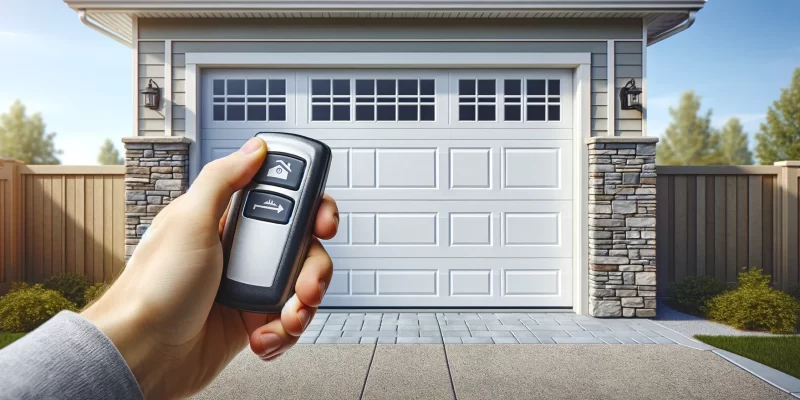
Garage doors have become an essential part of modern living, offering convenience, safety, and security. At the heart of this convenience is the electric garage door opener—a system designed to make accessing your garage effortless. But how does this technology actually work? Understanding its components and functions not only helps you appreciate the innovation but also ensures you know what to expect when maintaining or upgrading your system.
The Core Components
Electric garage door openers consist of several key parts that work together seamlessly:
- Motor unit – The motor provides the power needed to open and close the door.
- Drive system – This could be chain, belt, or screw-driven, and it transfers the motor’s power to move the door.
- Remote control – Handheld remotes or car-integrated systems send signals to activate the motor.
- Wall switch – A mounted switch inside the garage allows manual operation.
- Safety sensors – Located near the floor, these sensors prevent the door from closing if something is in its path.
- Trolley and rail – The trolley connects the door to the opener, gliding along the rail when the door moves.
Each of these components plays a role in ensuring smooth and safe operation.
The Opening and Closing Process
When you press the button on your remote or wall switch, a signal is sent to the opener’s motor unit. The motor then activates the drive system, which moves the trolley along the rail. The trolley is attached to the garage door, so as it moves, it pulls the door up or lowers it back down.
Counterbalance springs installed on the garage door itself help offset the weight of the door. Without these springs, the motor would not be able to handle the load on its own. This combination of mechanical assistance and motor power ensures the system operates efficiently.
Safety Features in Action
Modern electric garage door openers are equipped with several safety mechanisms designed to protect people, pets, and property. Infrared sensors, often located at the bottom of the garage doorway, detect obstructions in the path of the closing door. If something interrupts the beam, the door automatically stops and reverses direction.
Additionally, most systems feature an emergency release cord, allowing homeowners to manually operate the door in case of a power outage. These safety features have made electric garage door openers not only convenient but also reliable and secure.
Benefits of Using an Electric Garage Door Opener
Electric garage door openers provide more than just convenience. They add value to your home by improving safety, security, and accessibility. Key advantages include:
- Ease of use – Open and close your garage door with the touch of a button.
- Enhanced security – Many systems use rolling codes to prevent unauthorized access.
- Smart technology – Newer models can be operated from smartphones and integrated with home automation.
- Quiet operation – Belt-driven systems, in particular, offer smooth and near-silent performance.
These benefits make electric garage door openers a practical upgrade for modern homeowners.
A Trusted Option
For homeowners seeking reliable solutions, Door Doctor electric garage door openers are a standout choice. Known for combining durability, advanced technology, and safety features, they provide both convenience and peace of mind. With professional installation and ongoing support, these openers ensure your garage operates smoothly for years to come.
Final Thoughts
Electric garage door openers may seem simple, but behind their operation is a well-coordinated system of motors, sensors, and safety mechanisms. Understanding how they work helps you make informed decisions about installation, maintenance, and upgrades. Whether you’re building a new home or upgrading your current system, choosing the right opener ensures lasting convenience and security.











Comments