
 By
By 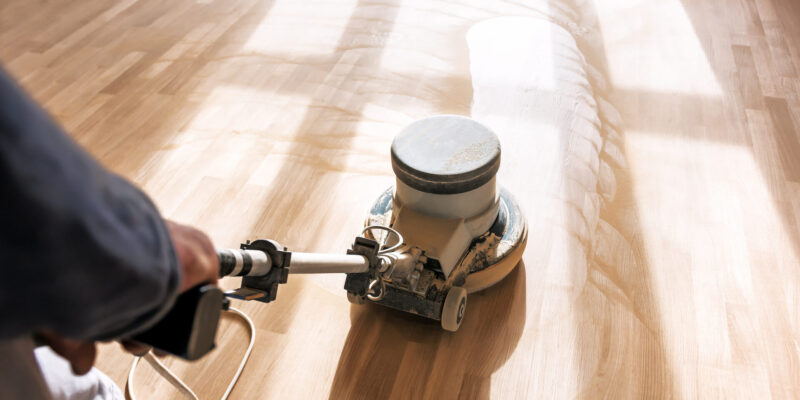
Hardwood floors are a long-term investment in the value and beauty of a home. Over time, however, daily wear—scuffs, dents, dullness, and scratches—can make even the best floors look tired. Thankfully, hardwood floors can be restored to their original glory through sanding and refinishing. But how many times can you safely sand them?
The answer depends on the type of wood, the thickness of the planks, and how the floor was previously treated. Experts such as Plancher Mebesa hardwood floor sanding recommend evaluating several key factors before proceeding with repeated sanding.
1. Understanding the Sanding Process
Sanding involves removing a thin layer (usually 1/32″ to 1/16″) from the surface of the hardwood to expose fresh wood beneath. It eliminates imperfections like:
- Surface scratches and dents
- Discoloration from UV exposure or spills
- Residue from old varnishes, oils, or finishes
After sanding, the floor is typically sealed with a new stain or finish for protection and aesthetic enhancement.
2. How Many Times Can You Sand a Floor?
The number of sanding cycles a floor can handle depends on:
a. Wood Thickness
Solid hardwood floors (¾” thick) can usually be sanded 4 to 7 times over their lifetime. Each sanding removes a small portion of the surface, but repeated sanding will eventually reach the tongue-and-groove section, compromising structural integrity.
b. Engineered Hardwood
Engineered hardwood has a thinner hardwood veneer over a plywood base. Depending on veneer thickness:
- 2mm veneer – typically only sanded once
- 3mm–4mm veneer – can be sanded twice
- 5mm+ veneer – may allow up to three sanding cycles
Sanding beyond the veneer risks exposing the core layer, damaging the floor.
3. Signs That Another Sanding Is Feasible
Before scheduling another sanding session, consider:
- Remaining wood depth above the tongue-and-groove joint
- Previous sanding history (number of times sanded, depth removed)
- Condition of the surface—minor scratches may only need buffing
- Presence of deep gouges or water damage, which require more aggressive sanding
A professional assessment ensures you don’t compromise floor structure unnecessarily.
4. Alternatives to Full Sanding
If your floor doesn’t need a complete overhaul, consider:
Buffing and Recoating
This involves lightly abrading the existing finish and applying a new topcoat. It:
- Extends the life of the existing floor
- Doesn’t remove significant wood layers
- Is less invasive and more affordable than full sanding
Ideal for minor scuffing or dull finishes without deep damage.
Spot Repairs
Small areas of damage can be addressed with:
- Targeted sanding
- Color blending
- Localized refinishing
This avoids unnecessary wear on the rest of the flooring.
5. When to Avoid Repeated Sanding
Avoid sanding if:
- The floor is visibly thin or already cupping/warping
- There’s risk of exposing nails or subfloor
- The wear layer on engineered hardwood is nearly gone
- A historical or antique floor may lose character with excessive sanding
Over-sanding can reduce durability and shorten the lifespan of the floor.
Conclusion
Hardwood floors can typically be sanded multiple times—but not endlessly. Knowing your floor’s construction and history is key to making a safe, long-term decision. If done properly, each sanding can restore beauty and extend the floor’s life by decades.







Comments