
 By
By 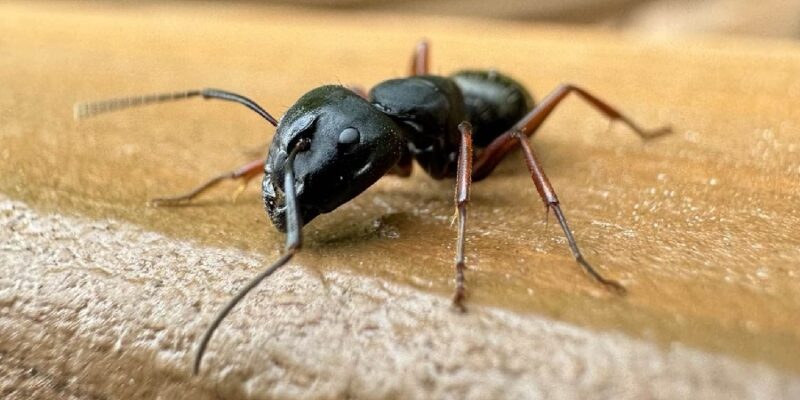
The Bite Itself: A Closer Look at Carpenter Ant Encounters
While the thought of any insect bite is unpleasant, understanding the specifics of a carpenter ant encounter can help alleviate undue fear. Carpenter ants are not typically aggressive, but they will defend themselves or their colony if provoked. Their primary defense mechanism involves biting, not stinging, as they lack a stinger.
Why Do They Bite? An Expert Carpenter Ant Bites Perspective
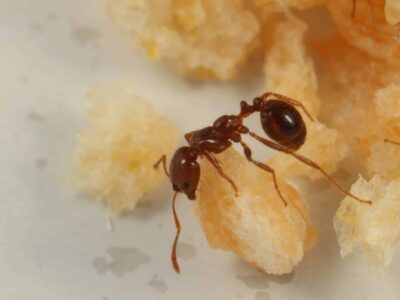
Carpenter ants bite primarily as a form of self-defense. If their nest is disturbed, or if an individual ant feels threatened, handled, or injured, it may react by biting. These ants possess powerful mandibles (jaws) that are strong enough to excavate wood, and consequently, can break human skin. When they bite, they may also spray a substance called formic acid into the wound. This chemical irritant is what causes the characteristic burning sensation associated with their bites, intensifying the pain beyond a simple pinch.
How Painful and Common Are Bites?
When a carpenter ant bites, the initial sensation is often described as a sharp pinch. This is typically followed by a mild burning or itching sensation, thanks to the formic acid. While uncomfortable, the pain is usually short-lived and significantly less severe than the sting of a wasp or a fire ant.
Fortunately, carpenter ant bites are quite rare. These ants prefer to avoid confrontation and are more concerned with their colony’s work than with attacking humans. You are most likely to be bitten if you accidentally disturb a nest, pick up an ant, or if one gets trapped against your skin. For context, fire ant stings are far more common and painful; one study found that 79 percent of people living in Texas had experienced a fire ant sting in a single year, highlighting the relative infrequency of carpenter ant bites. While bites are rare, understanding Biggins carpenter ant bite facts can help homeowners stay prepared.
Identifying and Treating a Carpenter Ant Bite
Even though carpenter ant bites are uncommon and generally not dangerous, knowing how to identify and treat them can provide peace of mind.
What Do Carpenter Ant Bites Look and Feel Like?
A carpenter ant bite typically appears as a small, red bump on the skin. It might resemble a pea-sized blemish or a small puncture wound. The affected area may experience itching, localized swelling, and redness. The burning sensation from the formic acid is usually immediate but subsides relatively quickly. In many cases, a carpenter ant bite can easily be mistaken for a pimple or the bite of another, less concerning insect.
At-Home Treatment and When to See a Doctor
If you find yourself or a family member bitten by a carpenter ant, here are the recommended first-aid steps:
- Wash the area: Clean the bite site thoroughly with soap and warm water to remove any lingering formic acid and reduce the risk of infection.
- Apply a cold compress: To alleviate pain, itching, and swelling, apply an ice pack or a cool, damp cloth to the affected area for about 10-15 minutes.
- Consider topical treatments: If the itching or burning persists, over-the-counter hydrocortisone cream or an antihistamine cream can help. For bites that have broken the skin, a thin layer of antibiotic ointment can prevent secondary infection.
- Avoid scratching: While tempting, scratching can worsen irritation and potentially lead to infection.
While most carpenter ant bites resolve on their own within a few days to a week, there are instances when medical attention might be necessary. We recommend seeking medical advice if you experience:
- Signs of a secondary infection: Increased redness, warmth, swelling, pus, or persistent pain.
- Signs of a rare allergic reaction: Though uncommon, severe symptoms like difficulty breathing, widespread rash, dizziness, or significant swelling beyond the bite area warrant immediate medical attention.
- Worsening symptoms: If the bite site does not improve or seems to get worse after a few days.
Beyond the Bite: The Real Threat of a Carpenter Ant Infestation
While the immediate concern of a bite is valid, the true danger posed by carpenter ants lies in their destructive nesting habits. These ants don’t eat wood, but they excavate it to create their nests, which can lead to significant structural damage over time.
The True Danger: Structural Damage to Your Home
Carpenter ants are aptly named because they “carpenter” their homes within wood. They tunnel through wooden structures, creating smooth, clean galleries and chambers for their colonies. Unlike termites, which consume wood, carpenter ants simply remove it to build their nests. This excavation process can weaken the structural integrity of beams, floor joists, wall studs, and other wooden components of a building.
They particularly prefer wood that is damp, decayed, or softened by moisture, making areas with leaks, water damage, or poor ventilation prime targets. Over years, an unchecked carpenter ant infestation can compromise the stability of a home, leading to costly repairs.
Signs You Have a Carpenter Ant Problem
Identifying a carpenter ant infestation early is crucial to preventing extensive damage. Here are key signs to look for:
- Frass (sawdust-like shavings): This is one of the most common indicators. As carpenter ants tunnel, they push out wood shavings mixed with insect body parts and insulation fragments. You might find these small piles near baseboards, window sills, door frames, or beneath wooden furniture.
- Faint rustling sounds in walls: In quiet environments, you might hear a faint, crinkling or rustling sound coming from within walls, especially at night when ants are most active.
- Winged ants (swarmers): The presence of large, winged ants (reproductives, also known as alates) indoors, especially in spring or early summer, can indicate a mature colony is sending out new queens and males to establish new nests.
- Hollow-sounding wood: Tapping on wooden structures that sound hollow can suggest extensive tunneling within.
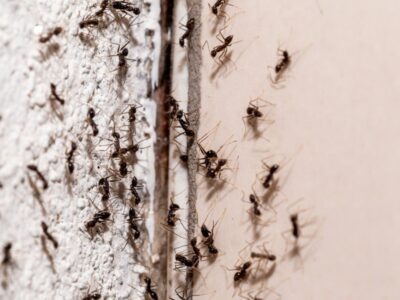
- Visible ant trails: While they forage, you might observe large, black, or red-and-black ants following distinct trails, often leading to food sources or water. These trails can extend up to 100 yards from their nest.
Prevention and Professional Help for Expert Carpenter Ant Bites
Preventing carpenter ants from establishing a colony in your home is always the best approach. However, if an infestation takes hold, professional intervention is often the most effective solution.
What Attracts Carpenter Ants to Your Property?
Carpenter ants are primarily attracted to two things: moisture and food.
- Moisture sources: Leaky pipes, clogged gutters, poor drainage around the foundation, damp basements or crawl spaces, and wood softened by moisture create ideal nesting conditions. They often target wood that has been damaged by water or fungi.
- Food sources: Like many ants, carpenter ants are scavengers. They are attracted to sweets, proteins, and other insects. Unsealed food containers, crumbs, pet food left out, and even decaying wood (which can harbor other insects they feed on) can draw them indoors.
Why Professional Help is Best for Expert Carpenter Ant Bites
Effective carpenter ant management begins with prevention. We recommend:
- Addressing moisture issues: Promptly repair leaky pipes, improve drainage, and ensure proper ventilation in moisture-prone areas.
- Sealing entry points: Seal cracks, gaps, and openings in your home’s foundation, around windows, doors, and utility lines to block access.
- Trimming vegetation: Keep tree branches and shrubs trimmed away from your home’s exterior to prevent ants from using them as bridges.
- Storing firewood properly: Store firewood and lumber off the ground and away from your house.
- Eliminating food sources: Keep your kitchen clean, store food in airtight containers, and promptly clean up spills.
While DIY methods can address surface-level ant problems, carpenter ant infestations are notoriously difficult to eliminate completely on your own. The main challenges include:
- Difficulty locating the main nest: Carpenter ant colonies often have a primary nest outdoors and several satellite nests indoors, hidden within walls, ceilings, or insulation. Locating all these nests requires expertise.
- Ensuring queen elimination: For true eradication, the queen ant must be eliminated. If she survives, the colony will continue to thrive and reproduce.
- Complex life cycle: Their life cycle and nesting habits are intricate, making a comprehensive treatment plan essential.
Professional pest control experts have the knowledge, tools, and experience to accurately identify the extent of an infestation, locate all nests, and implement targeted treatments that effectively eliminate the entire colony, including the queen. This ensures long-term protection for your home and peace of mind.
Frequently Asked Questions about Carpenter Ant Encounters
Here, we address some of the most common questions homeowners have about carpenter ants and their interactions with humans.
Are carpenter ant bites dangerous?
Generally, carpenter ant bites are not considered dangerous. They do not inject venom, nor are they known to transmit diseases to humans. The primary discomfort comes from the initial pinch and the burning sensation caused by formic acid. While rare, some individuals might experience a localized allergic reaction, similar to a bee sting, resulting in more pronounced swelling or redness. The main risk associated with a bite is a secondary infection if the skin is broken and not kept clean, or if excessive scratching occurs.
How do I tell carpenter ants apart from other large black ants?
Carpenter ants are one of the largest ant species in North America, ranging from 1/4 to 3/4 of an inch in length. Key identifiers include:
- Size: They are noticeably larger than most common household ants.
- Color: Often black, but can also be red-and-black, or sometimes entirely red or brown.
- Body shape: When viewed from the side, their thorax (the segment between the head and abdomen) is evenly rounded, without any indentations. They also have a single node (a small bump) between their thorax and abdomen.
- Antennae: Their antennae are elbowed.
- Wings: If winged, the front wings are longer than the hind wings, and they have few veins.
These characteristics help distinguish them from other ants and even termites.
Can I get rid of carpenter ants myself?
While some DIY solutions like ant baits or sprays can help manage small, localized ant problems, completely eliminating a carpenter ant infestation is challenging for homeowners. The difficulty arises from their complex nesting structure, which often includes a primary nest and multiple satellite nests hidden within the home’s structure. Unless the main nest and the queen are located and eliminated, the colony will persist and continue to cause damage. DIY efforts can sometimes even cause the ants to scatter and create new satellite colonies, making the problem worse. For comprehensive and lasting control, we generally recommend consulting a pest control professional.
Conclusion
In summary, the question “do carpenter ants bite?” can be answered with a qualified “yes,” but with important caveats. Their bites are rare, primarily defensive, and typically result in a mild, temporary burning sensation from formic acid, not venom. They are not considered dangerous and do not transmit diseases.
However, the true threat of carpenter ants lies not in their bites, but in their relentless excavation of wood to build nests. This activity can lead to significant and costly structural damage to homes over time. Recognizing the signs of an infestation early – such as frass, hollow-sounding wood, or visible ant trails – is crucial for protecting your property.
Prevention is your first line of defense, focusing on moisture control and sealing entry points. When an infestation does occur, professional pest control is often the most effective solution, ensuring complete eradication and safeguarding your home’s structural integrity. Don’t let these wood-boring pests undermine your peace of mind or your property’s value.







Comments