
 By
By 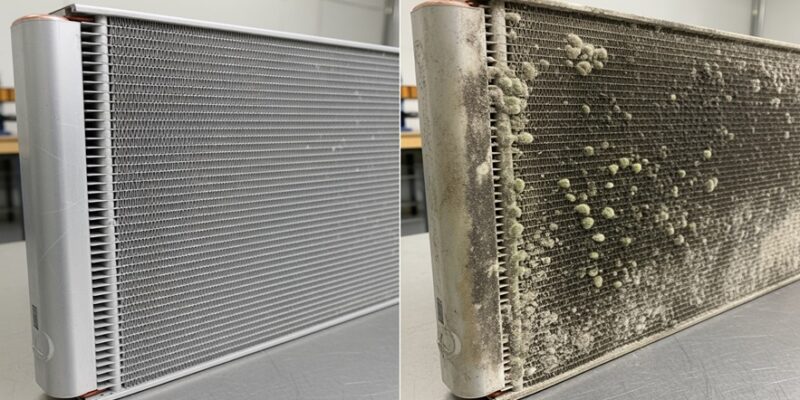
To truly understand UV air purification, we must first dig into the science of ultraviolet (UV) light itself. UV light is a form of electromagnetic radiation, residing just beyond the violet end of the visible light spectrum. While invisible to the human eye, its properties are profoundly impactful, especially when it comes to neutralizing microscopic threats in the air.
The concept of using UV light as a germicide isn’t new; it has been documented as a germicide since the 1930s and has been used in various settings, including schools and hospitals, with great success. Its power lies in its ability to disrupt the very building blocks of life for microorganisms.
Understanding UV-A, UV-B, and UV-C Light
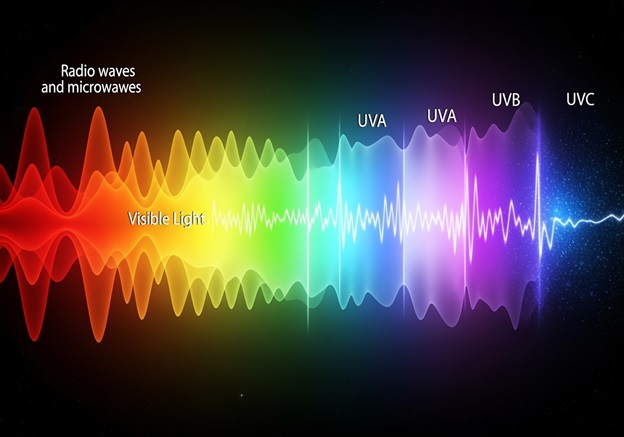
The ultraviolet spectrum is typically divided into three main categories based on wavelength, each with distinct characteristics and applications:
- UV-A (315-400 nm): This is the longest wavelength UV light and is most commonly associated with tanning beds and black lights. It can penetrate deep into the skin and is linked to skin aging. In air purification, UV-A generally has minimal germicidal properties.
- UV-B (280-315 nm): UV-B light causes sunburn and is a primary contributor to skin cancer. While it has some germicidal effect, its intensity and specific wavelength range make it less efficient for air purification compared to UV-C.
- UV-C (100-280 nm): This short-wavelength UV light is the star of UV air purification. UV-C is the most energetic and harmful type of UV radiation, but thankfully, the Earth’s ozone layer largely blocks natural UV-C from reaching the surface. In controlled environments, however, this powerful wavelength is harnessed for its potent germicidal properties.
How UV-C Inactivates Pathogens
The magic of UV-C light in air purification lies in its ability to damage the nucleic acids—deoxyribonucleic acid (DNA) and ribonucleic acid (RNA)—of microorganisms. When bacteria, viruses, and mold spores are exposed to a sufficient dose of UV-C light, the UV-C energy is absorbed by their DNA and RNA. This absorption causes specific molecular changes, primarily the formation of thymine dimers within the DNA strand.
These dimers disrupt the genetic material, preventing the microorganism from replicating, metabolizing, or carrying out essential cellular functions. Essentially, the UV-C light renders the pathogen inert, sterilizing it and preventing it from growing, spreading, and causing illness. Since microorganisms typically consist of only one or a few cells, sufficiently damaging their DNA is enough to sterilize them, effectively neutralizing their threat.
Common Types of UV Germicidal Lamps
For air purification systems, specific types of UV germicidal lamps are employed to emit the crucial UV-C wavelength. The most common types include:
- Low-Pressure Mercury-Vapor Lamps: These are traditional UV-C lamps that emit a strong 254 nm wavelength, which is highly effective for germicidal irradiation. They are widely used in various air purification systems, including those integrated into HVAC ducts and standalone units.
- LED UV-C Lamps: Advancements in technology have led to the development of UV-C LEDs. While generally less powerful than mercury-vapor lamps for disinfection purposes at present, they offer advantages such as smaller size, longer lifespan, and the absence of mercury, making them more environmentally friendly. They are increasingly being incorporated into newer air purification designs.
In air purification systems, these lamps are typically contained within a chamber or ductwork, ensuring that the UV-C light is safely applied to the passing air without exposing occupants to harmful radiation. This contained application is crucial for the safe and effective use of UV germicidal irradiation.
Evaluating the Effectiveness of UV Air Purification
The primary purpose of UV air purifiers is to neutralize airborne biological contaminants. This technology has shown considerable efficacy against a range of pathogens, including various types of bacteria, viruses, and mold spores. The fundamental mechanism of DNA/RNA damage applies across these different microorganism types, making UV-C a versatile tool in the fight for cleaner air.
UV germicidal lights, for instance, are known to damage the cell structure of microorganisms like mold, mildew, and bacteria, preventing them from growing and spreading throughout a home or commercial space. This not only improves air quality but can also contribute to the cleanliness and efficiency of HVAC systems by preventing mold growth on coils.
Factors Influencing Efficacy
The effectiveness of a UV air purifier isn’t solely dependent on the presence of a UV-C lamp; several critical factors determine its true germicidal power:
- UV-C Intensity (Dosage): This refers to the strength of the UV-C light emitted. A higher intensity generally means a more potent germicidal effect. The dosage is a function of both intensity and exposure time.
- Exposure Time (Dwell Time): Microorganisms need to be exposed to UV-C light for a sufficient duration to be inactivated. Air moving too quickly past a UV lamp may not receive enough exposure. The best UVC air purifier systems are designed to ensure contaminants receive adequate exposure, sometimes removing contaminants in seconds.
- Proximity to Lamp: The closer a microorganism is to the UV-C lamp, the more intense the UV-C radiation it receives. Systems are designed to maximize this proximity for effective sterilization.
- Airflow Rate: In HVAC-integrated systems or portable units, the speed at which air passes through the purification chamber directly impacts exposure time. Slower air speeds allow for longer exposure, increasing efficacy.
- Humidity: While UV-C is effective, very high humidity levels can sometimes reduce its efficiency by absorbing some of the UV energy, though this is typically a minor factor in most residential and commercial settings.
Real-World Applications and Evidence
UV air purification has found widespread application across various settings, demonstrating its utility in improving indoor air quality:
- Residential HVAC Systems: Many homeowners integrate UV lamps into their existing heating, ventilation, and air conditioning (HVAC) systems. These lamps are installed in the ductwork or near the evaporator coil to sterilize air as it circulates throughout the home and to prevent mold growth on the coil itself.
- Commercial Settings: Offices, retail spaces, and restaurants often use UV air purification to reduce airborne pathogens, contributing to a healthier environment for employees and customers.
- Hospitals and Healthcare Facilities: Given the critical need for infection control, hospitals have long been pioneers in using UV germicidal irradiation. It’s employed in operating rooms, patient rooms, and HVAC systems to minimize the spread of airborne diseases. The CDC even recommends UV light as a supplemental infectious control method for hospitals.
- Schools: As mentioned, UV-C has been successfully used in schools since the 1930s to combat airborne germ spread, helping to reduce absenteeism due to illness.
A 2010 peer-reviewed science article by Reed examined numerous studies on the efficacy and safety of UV light disinfection of airborne germs. The article concluded that if used correctly, UV light (specifically UV-C) can be safe and effective. Furthermore, a 2021 systematic review suggests that UV air purifiers that also use a HEPA filter may be effective at removing bacteria from the air. While these studies indicate effectiveness, it’s important to note that the 2021 review also pointed out a lack of sufficient evidence investigating whether UV and HEPA air purifiers can protect against respiratory illnesses themselves.
Can UV Air Purifiers Neutralize Coronaviruses?
The emergence of SARS-CoV-2, the virus responsible for COVID-19, brought renewed attention to air purification technologies, including UV-C. The FDA states that UV-C works by destroying the outer protein coating of the SARS-Coronavirus and is also an effective way to combat the SARS-CoV-2 virus. It is stated to be more effective than UV-A and UV-B radiation.
A recent study found that far-UVC light (a specific type of UV-C with a wavelength of 222 nm) can kill 99.9% of airborne coronaviruses in 25 minutes. The authors suggest that low-dose UV light may be an effective way of reducing the risk of coronavirus transmission in public spaces.
While promising, it’s crucial to understand that UV air purifiers, even those targeting coronaviruses, are considered a supplemental protection measure. The EPA states that air cleaners and HVAC filters can help reduce airborne contaminants, but they should not be the only tools to protect people from SARS-CoV-2. A comprehensive approach that includes ventilation, source control, and other public health measures remains paramount.
Benefits vs. Drawbacks: A Balanced View
Like any technology, UV air purification offers distinct advantages but also comes with certain limitations and potential considerations. Understanding both sides is key to making an informed decision about its role in your indoor environment strategy.
Key Advantages of UV Systems
When properly implemented, UV air purifiers can provide several significant benefits:
- Pathogen Neutralization: This is the core strength of UV-C technology. It actively inactivates airborne bacteria, viruses, mold spores, and fungi by damaging their DNA/RNA, preventing them from reproducing and spreading. This is particularly beneficial in reducing the transmission of airborne diseases.
- Odor Reduction (from Mold/Mildew): By destroying mold and mildew at their source, UV purifiers can significantly reduce musty odors often associated with these biological growths, especially in damp areas like HVAC coils.
- HVAC Coil Cleaning: When installed near the evaporator coil in an HVAC system, UV lights can continuously sterilize the coil surface, preventing the buildup of mold and biofilm. This not only improves air quality but also improves the efficiency and extends the lifespan of the HVAC unit.
- Quiet Operation: Unlike some air purification methods that rely on powerful fans or electrostatic processes, UV purification itself is a silent process. The noise generated typically comes from the fan of the air purifier or HVAC system moving air through the unit.
- Chemical-Free Disinfection: UV-C light offers a chemical-free method of disinfection, which is appealing to those who wish to avoid introducing additional chemicals into their indoor environment.
Potential Limitations and Health Risks
Despite their benefits, UV air purifiers are not a panacea for all indoor air quality issues, and some models pose potential risks:
- Limited Particulate Removal: UV light does not remove particulate matter such as dust, pollen, pet dander, or smoke particles from the air. Its action is germicidal, meaning it neutralizes living microorganisms, but it doesn’t filter out inert particles. For comprehensive particulate removal, UV purifiers are best paired with mechanical filters like HEPA.
- Ineffective Against VOCs & Gases: UV air purifiers are generally not effective at removing volatile organic compounds (VOCs), chemical fumes, or other gases from the air. These pollutants require different technologies, such as activated carbon filters, for effective removal. The EPA recommends purchasing devices that use HEPA and carbon filters to remove VOCs, gases, and odors from the air.
- Ozone Emission Risk: This is perhaps the most significant drawback and health concern associated with some UV air purifiers. The EPA states that some UV air purifiers emit ozone gas. Ozone is a colorless gas that, at ground level, is a lung irritant. It can cause breathing difficulties, especially in people who have asthma, and can lead to symptoms such as coughing, sore throat, and inflammation of the airways. The Environmental Protection Agency (EPA) states that people should not buy air purifiers that emit ozone. This includes certain types of UV air purifiers, electrostatic precipitators, ionizers, and plasma air purifiers. It is crucial to choose UV air purifiers that are certified ozone-free.
Integrating UV Purifiers into a Complete IAQ Strategy
Given the strengths and limitations of UV air purification, we find that its most effective application is as part of a multi-stage, comprehensive approach to indoor air quality. No single technology can address all indoor air pollutants, so a layered strategy is often the most robust solution for creating a truly healthy indoor environment.
UV Purifiers vs. HEPA and Carbon Filters
It’s important to understand how UV air purifiers complement, rather than replace, other common air purification methods:
- HEPA Filter Function (Capturing): High-Efficiency Particulate Air (HEPA) filters are mechanical filters designed to capture microscopic particles. They are highly effective at trapping dust, pollen, pet dander, mold spores, and even some bacteria and viruses. The Environmental Working Group recommends people use purifiers with a HEPA filter, as these are ozone-free and excel at removing particles. HEPA filters physically remove these contaminants from the air stream.
- Activated Carbon Filter Function (Adsorbing): Activated carbon filters are porous materials that excel at adsorbing gases, odors, and volatile organic compounds (VOCs). They chemically bind these pollutants to their surface, effectively removing them from the air.
- UV Function (Neutralizing): As we’ve discussed, UV-C light doesn’t capture particles or adsorb gases. Instead, it neutralizes biological contaminants (bacteria, viruses, mold) by damaging their DNA/RNA.
The synergistic effect of combining these technologies is powerful. A system that first uses a HEPA filter to capture particulates and then exposes the air to UV-C light to inactivate any remaining airborne microorganisms, potentially followed by an activated carbon filter for VOCs and odors, offers a far more comprehensive solution than any single technology alone. A 2021 systematic review suggests that UV air purifiers that also use a HEPA filter may be effective at removing bacteria from the air.
What to Consider Before You Buy
When considering a UV air purifier, whether as a standalone unit or an HVAC add-on, several factors should guide your decision:
- Room Size Coverage: Ensure the unit is appropriately sized for the space it’s intended to purify. Manufacturers typically provide a “Clean Air Delivery Rate” (CADR) or recommended room size in square feet.
- Certifications (CARB for Ozone): Always look for certifications that guarantee the unit does not produce harmful ozone. The California Air Resources Board (CARB) certification is a good indicator that a unit meets strict ozone emission limits.
- Standalone vs. HVAC Unit: Decide whether a portable, standalone unit suits your needs or if a whole-home solution integrated into your HVAC system is preferable. HVAC-integrated units offer continuous, whole-home purification, while portable units provide targeted purification for specific rooms.
- Maintenance Needs: Understand the maintenance requirements, particularly the frequency of UV bulb replacement. UV-C bulbs lose their intensity over time and typically need to be replaced annually to maintain optimal germicidal effectiveness.
Installation and Maintenance for Your UV Air Purification System
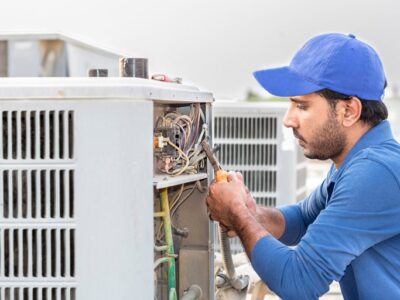
For HVAC-integrated UV air purification systems, professional installation is highly recommended. An experienced technician can ensure the UV lamp is correctly positioned within the ductwork or near the evaporator coil for maximum effectiveness and safety, preventing accidental exposure to UV-C light. They can also ensure proper electrical connection and integration with your existing HVAC system.
Maintenance primarily involves the annual replacement of the UV-C bulb. Over time, the germicidal effectiveness of the bulb diminishes, even if it still appears to be lit. Replacing it regularly ensures continuous optimal performance. It’s also important to note that some UV-C lamps, particularly older mercury-vapor types, contain mercury. Therefore, proper disposal according to local environmental regulations is essential. Organizations like www.lamprecycle.org provide guidance on safe disposal.
For those in the Colorado area seeking expert advice and reliable installation, understanding the nuances of modern air purification systems, including UV air purification in Thornton, is crucial. Professional services ensure that your system is installed correctly and maintained efficiently, providing lasting benefits to your indoor air quality.
Conclusion: A Clearer Path to Healthier Indoor Air
UV air purification technology offers a powerful and effective method for neutralizing airborne biological contaminants, including bacteria, viruses, and mold. By damaging the DNA and RNA of these microorganisms, UV-C light renders them inert, contributing significantly to a healthier indoor environment. From residential homes to hospitals and schools, the applications of this germicidal technology are diverse and impactful.
However, as we’ve explored, UV air purifiers are not a singular solution to all indoor air quality challenges. Their strength lies in neutralizing living pathogens, but they do not filter out inert particles like dust and pollen, nor do they effectively remove VOCs or gases. Furthermore, the critical concern of ozone emission from some UV units underscores the importance of choosing certified, ozone-free products.
The clearest path to healthier indoor air involves a multi-layered approach. Combining UV air purification with robust HEPA filtration for particulate removal and activated carbon filters for gases and odors creates a comprehensive system that addresses a wider spectrum of pollutants. This synergistic approach maximizes the benefits while mitigating the limitations of individual technologies.
Making informed decisions about indoor air quality means understanding the science, evaluating the evidence, and considering your specific needs. By carefully selecting and integrating the right air purification technologies, we can all breathe a little easier, knowing we’ve taken proactive steps toward a cleaner, safer, and healthier indoor environment.



Comments